Published : 2026-07-29
Shenzhen has a new landmark: the Shenzhen Natural History Museum. Covering 105,000 square metres, it is the first comprehensive natural history museum in the Greater Bay Area and the largest in Southern China.
From the birth of the universe to Earth's evolution, its eight exhibition halls trace 13.8 billion years of natural history. Read on to discover its bold architecture and highlights.
A building shaped by the Pingshan River
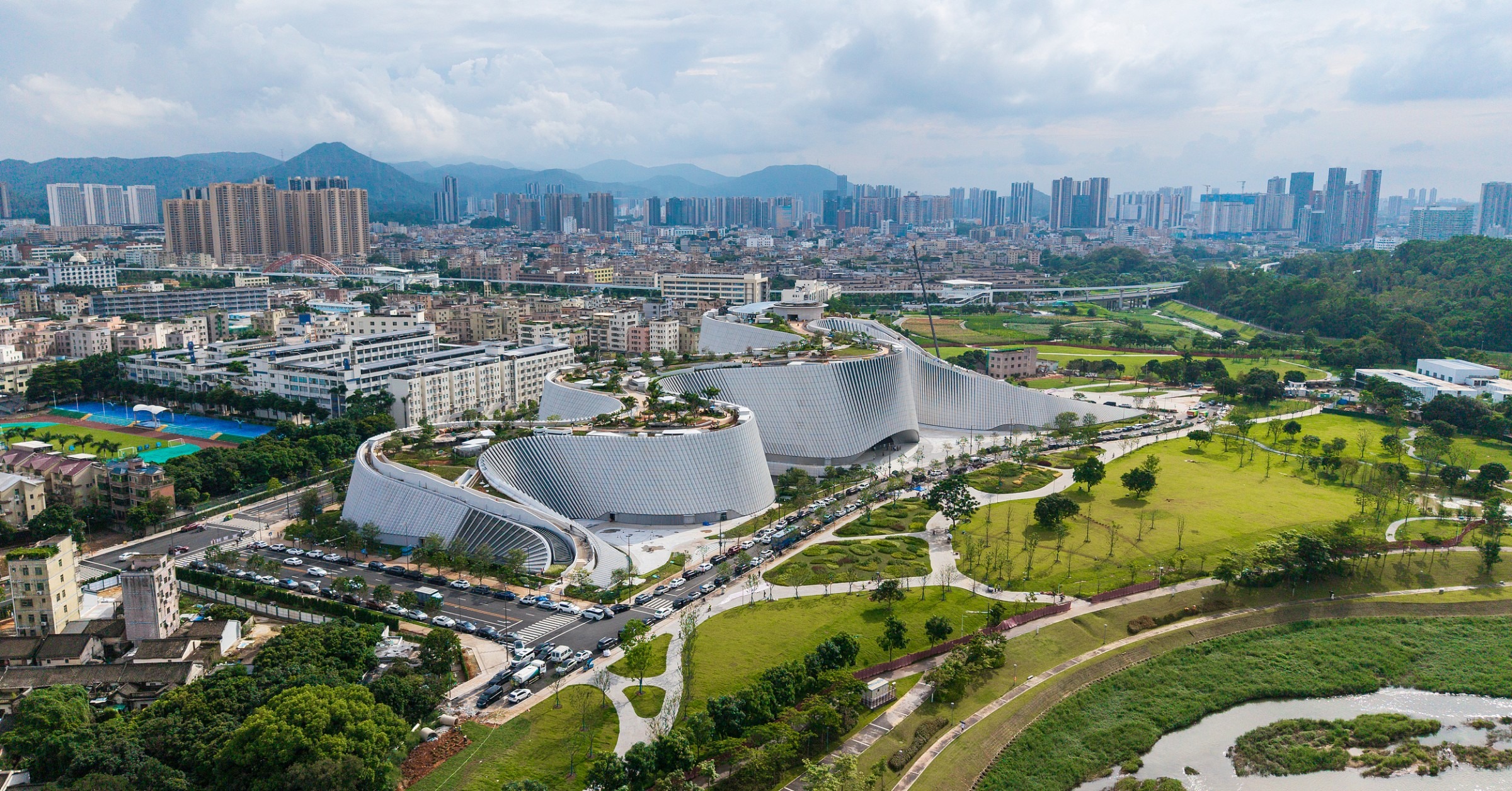
Set beside Yanhu Lake in Pingshan District, the Shenzhen Natural History Museum is an easy walk from Exit D of Shabo Station on Metro Line 16.
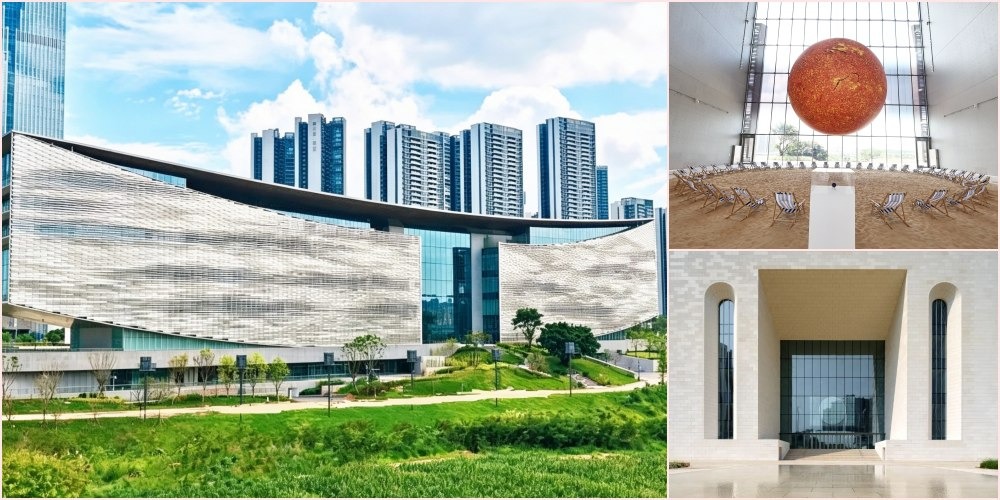
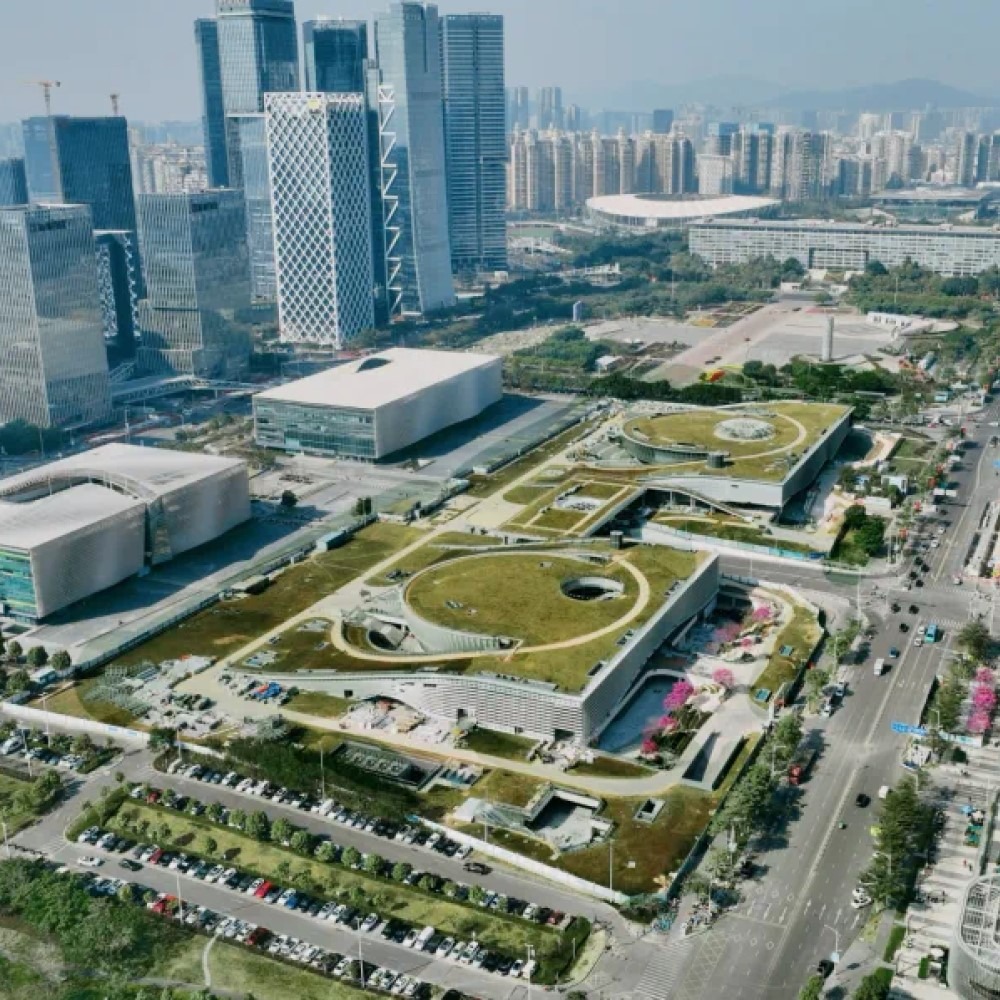
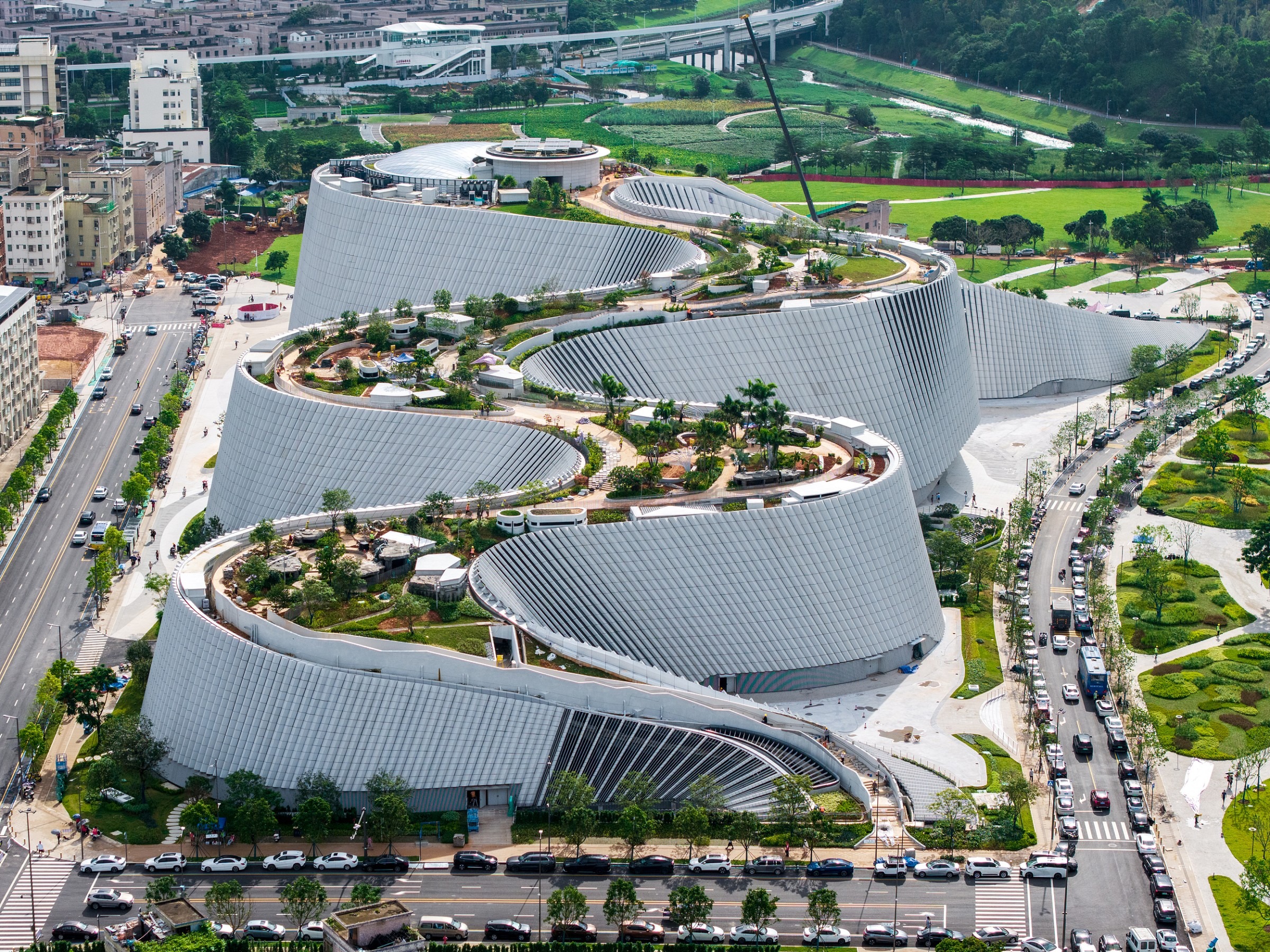
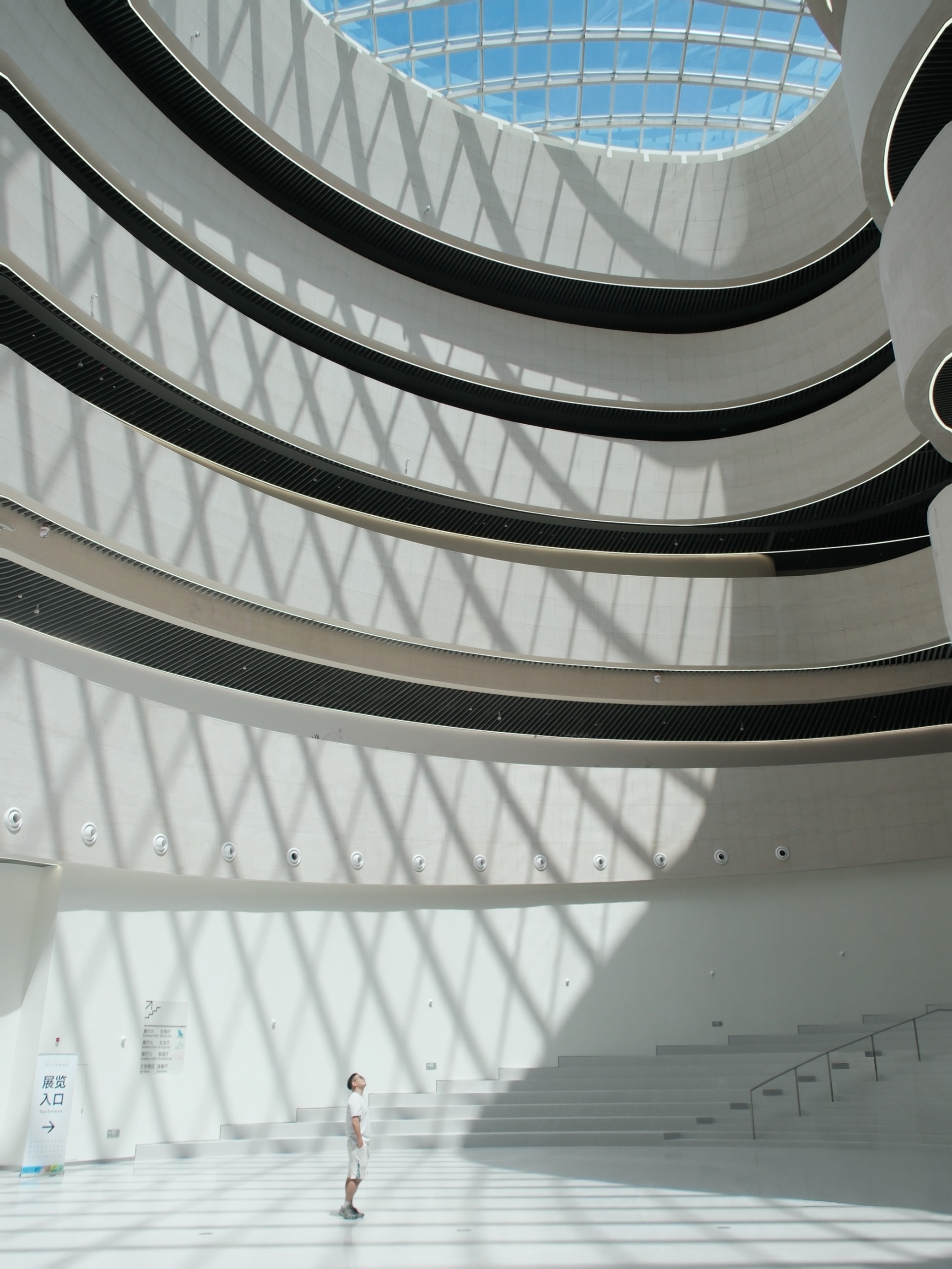
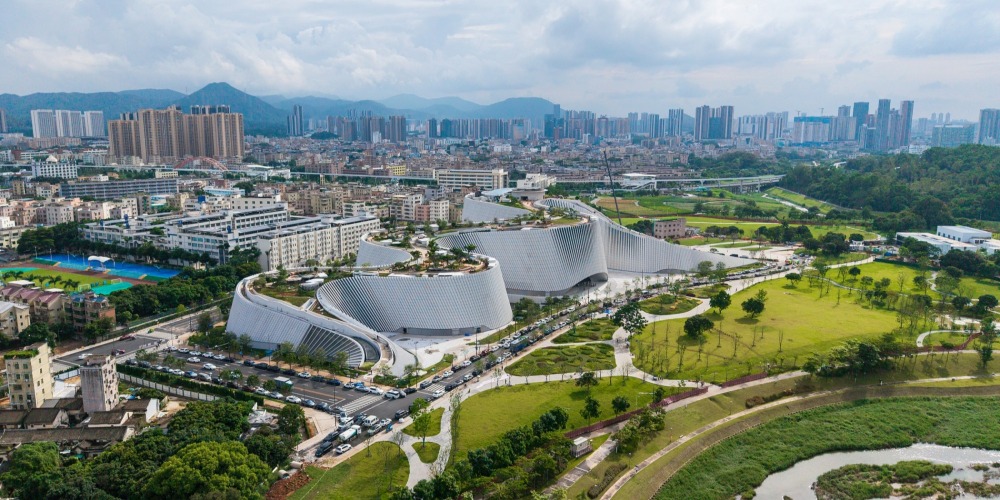
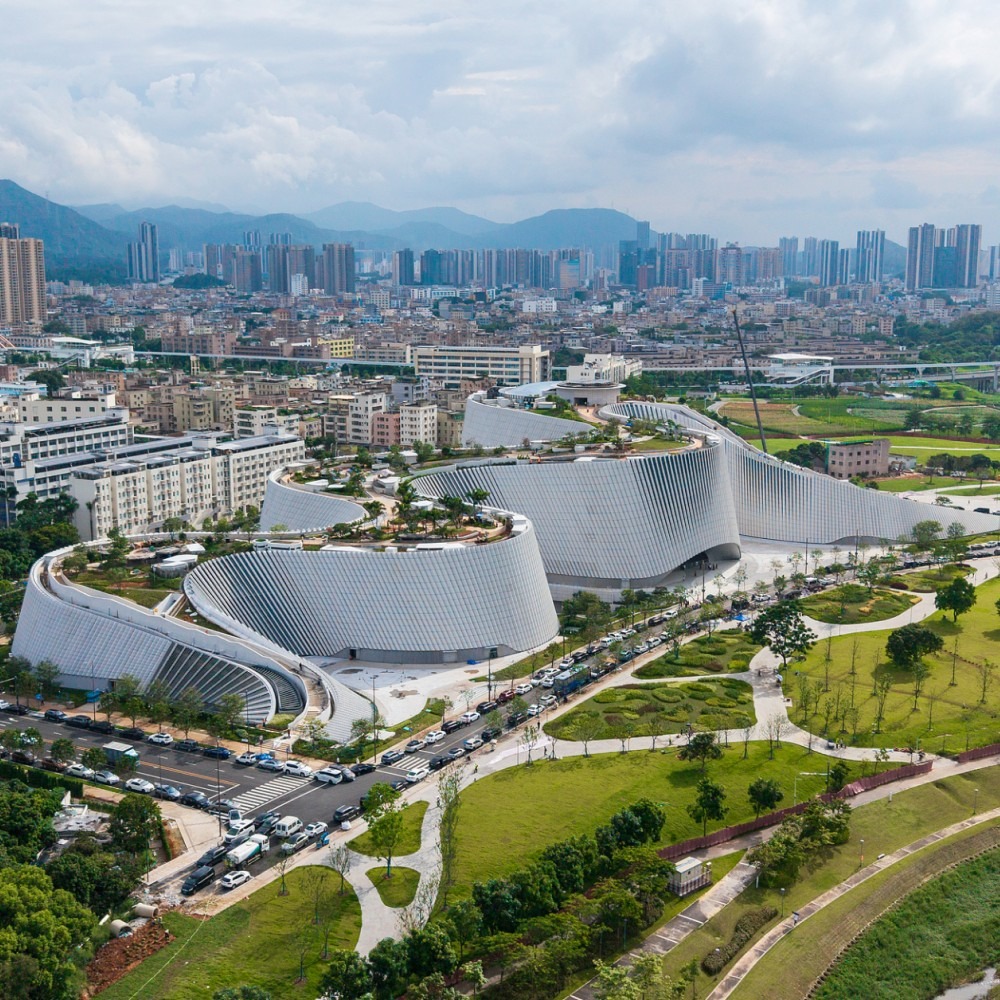
Designed by Danish architecture firm 3XN, the five-storey museum — with two basement levels — takes its inspiration from a river delta.
Its five cone-shaped forms echo the winding course of the Pingshan River, while the undulating roofline recalls Lingnan's rolling hills.
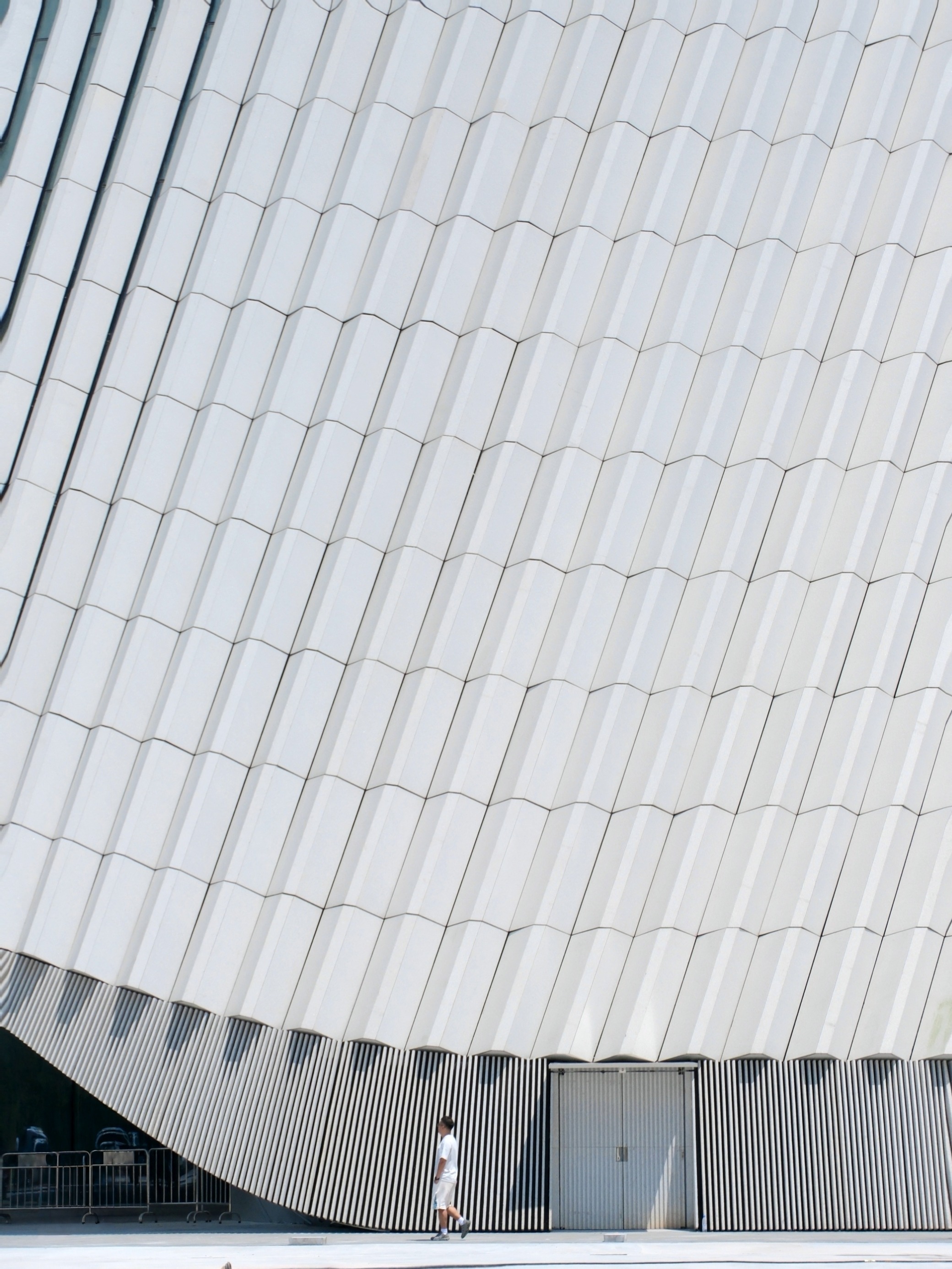
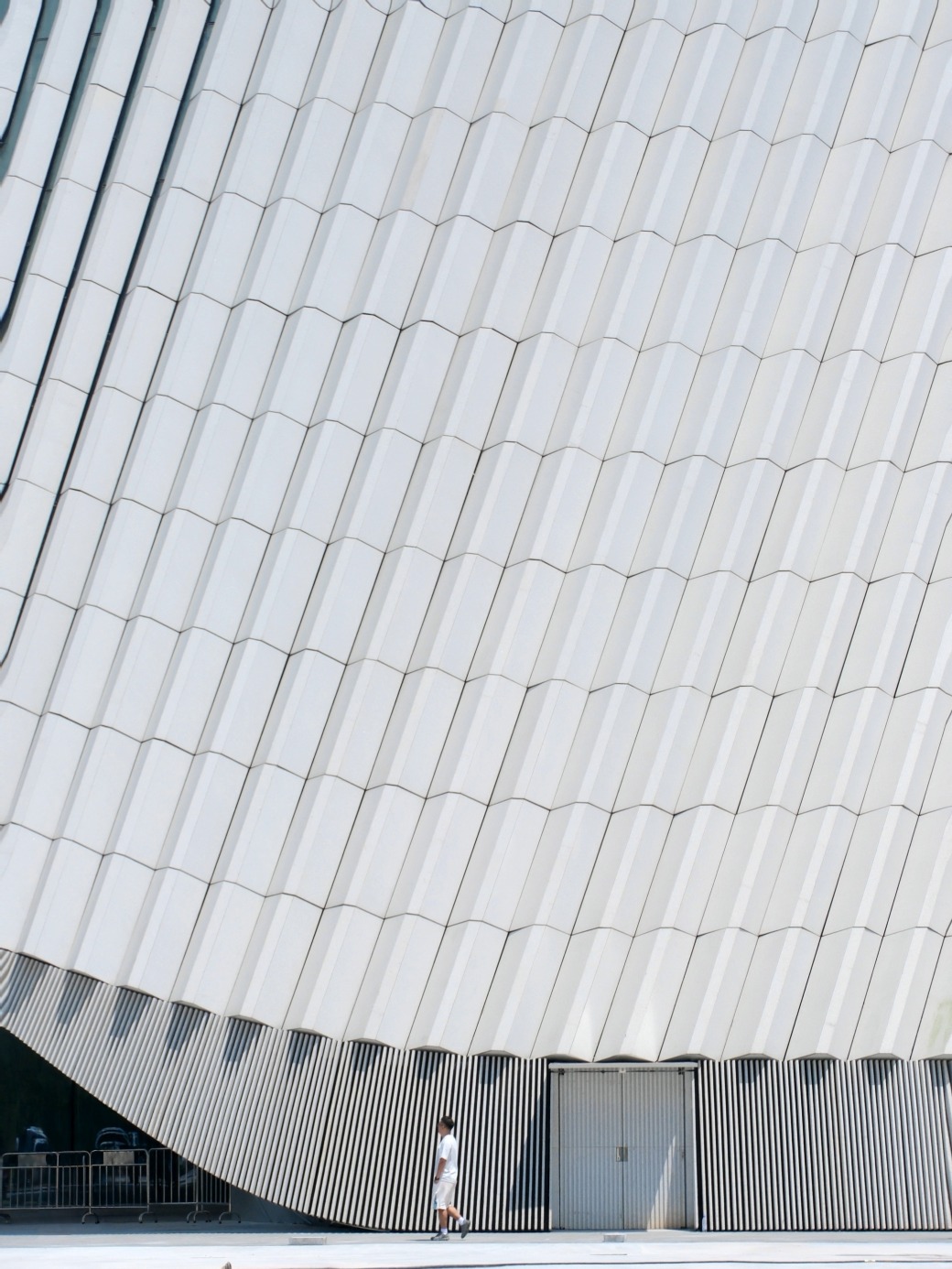
Clad in diagonally grooved stone designed to evoke surfaces shaped by seawater erosion, the museum appears to rise organically from its surroundings.
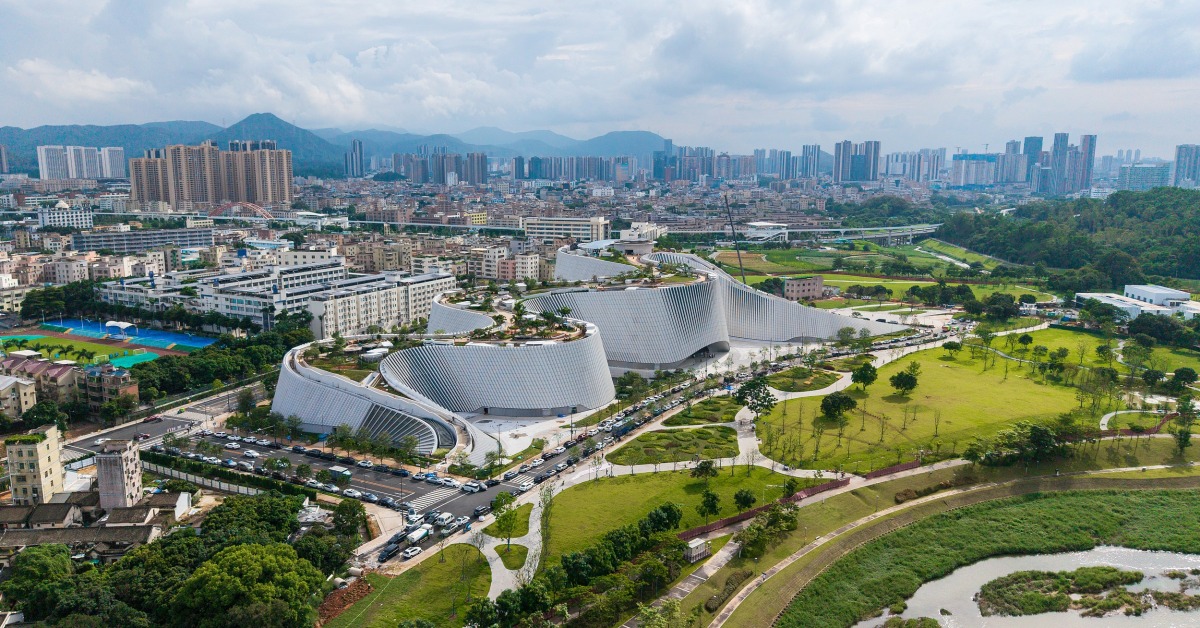
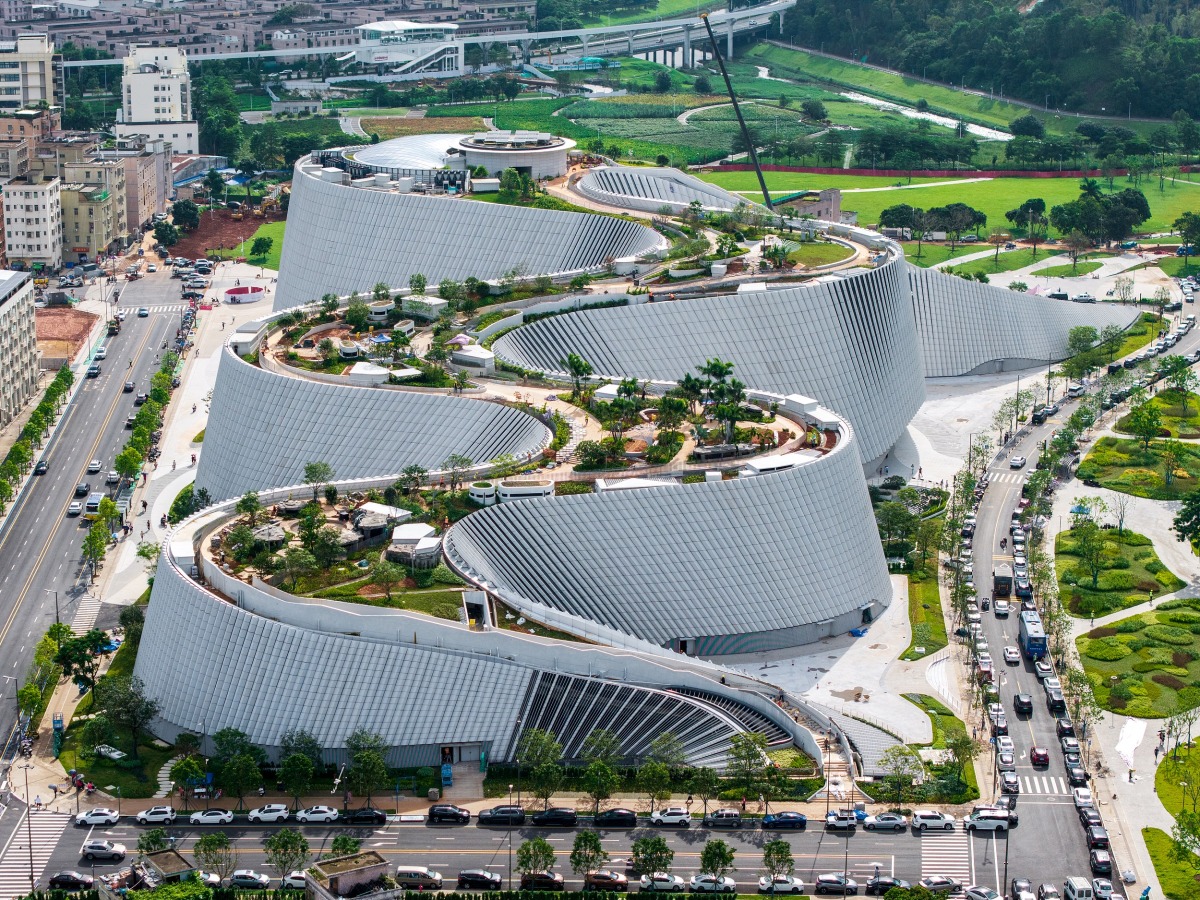
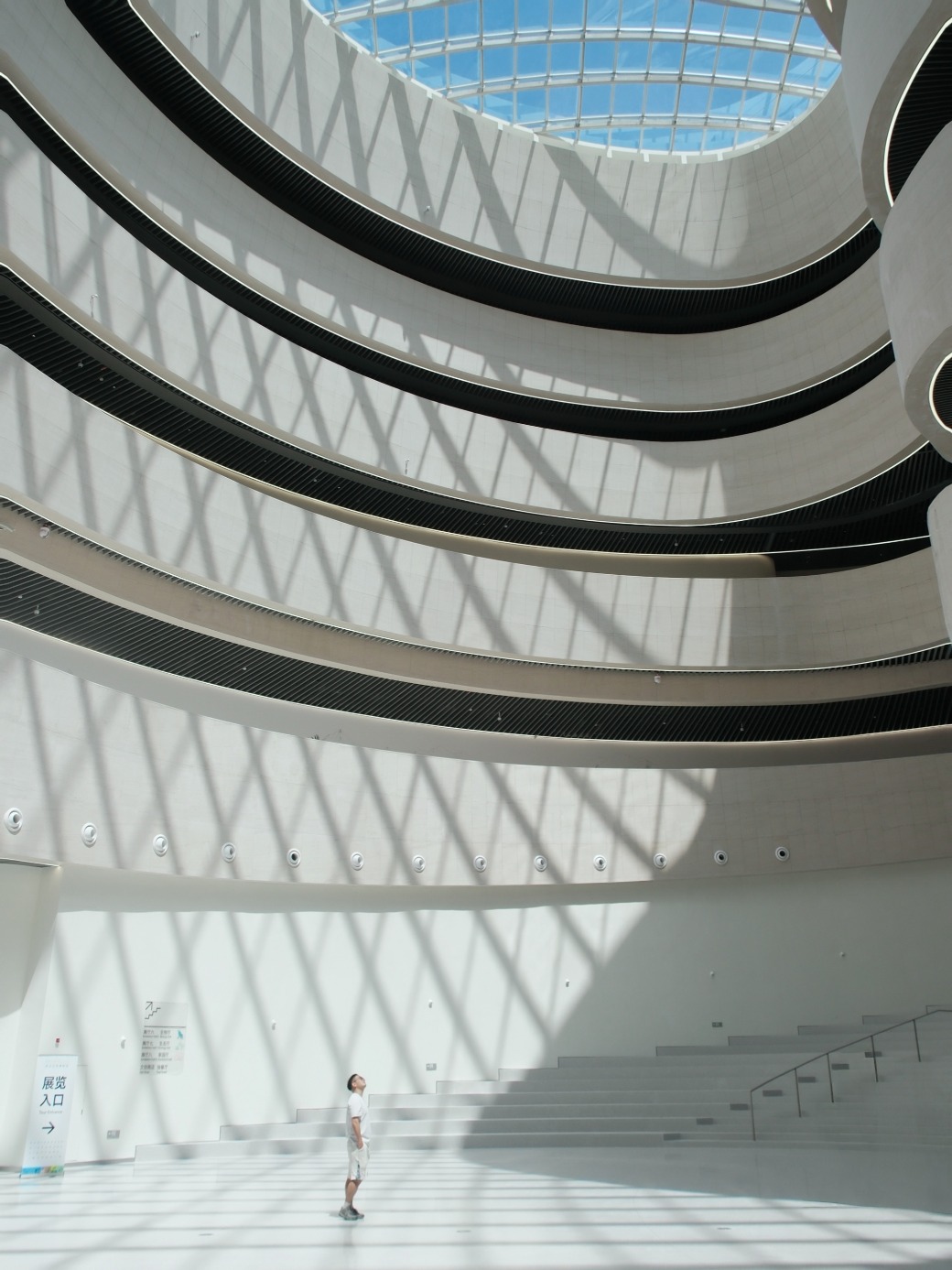
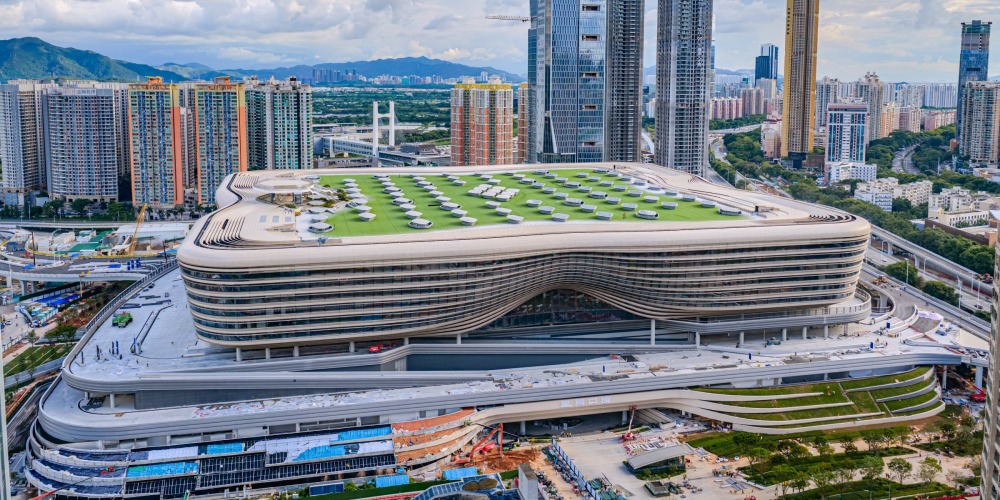
The roof is the building's most striking feature. A walkway more than 600 metres long climbs a gentle slope up to a rooftop sky garden.
Along the way, you can look out over the rippling green waters of Yanzi Lake, see the lush Yanzi Ridge in the distance, and enjoy sweeping views of the surrounding wetlands and landscape.
The rooftop garden is planted with local species that attract migratory birds, making it both a lookout point and a small wildlife haven.
This walkway breaks the physical boundaries of the museum, seamlessly connecting the exhibition halls with the surrounding Yanzi Ridge Park and the Chi'ao Water Wetland trail, extending naturally from indoors to outdoors.
Before even stepping into the museum, the viewing experience has already begun, serving as the first gateway to a journey of knowledge.
Eight galleries, dinosaurs and a giant ape
The museum's eight themed galleries bring together 7,461 authentic specimens, 338 models and 194 interactive displays, tracing Earth's 4.6-billion-year story — from distant galaxies to Shenzhen's own natural environment.
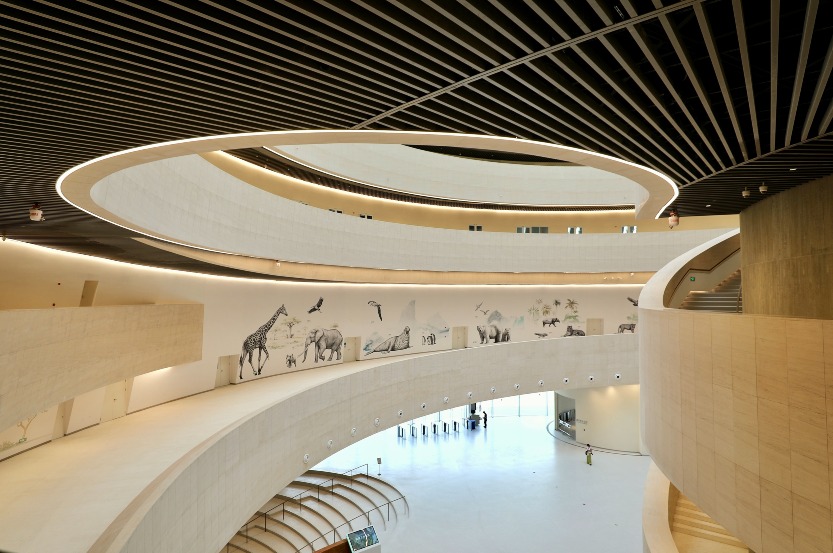
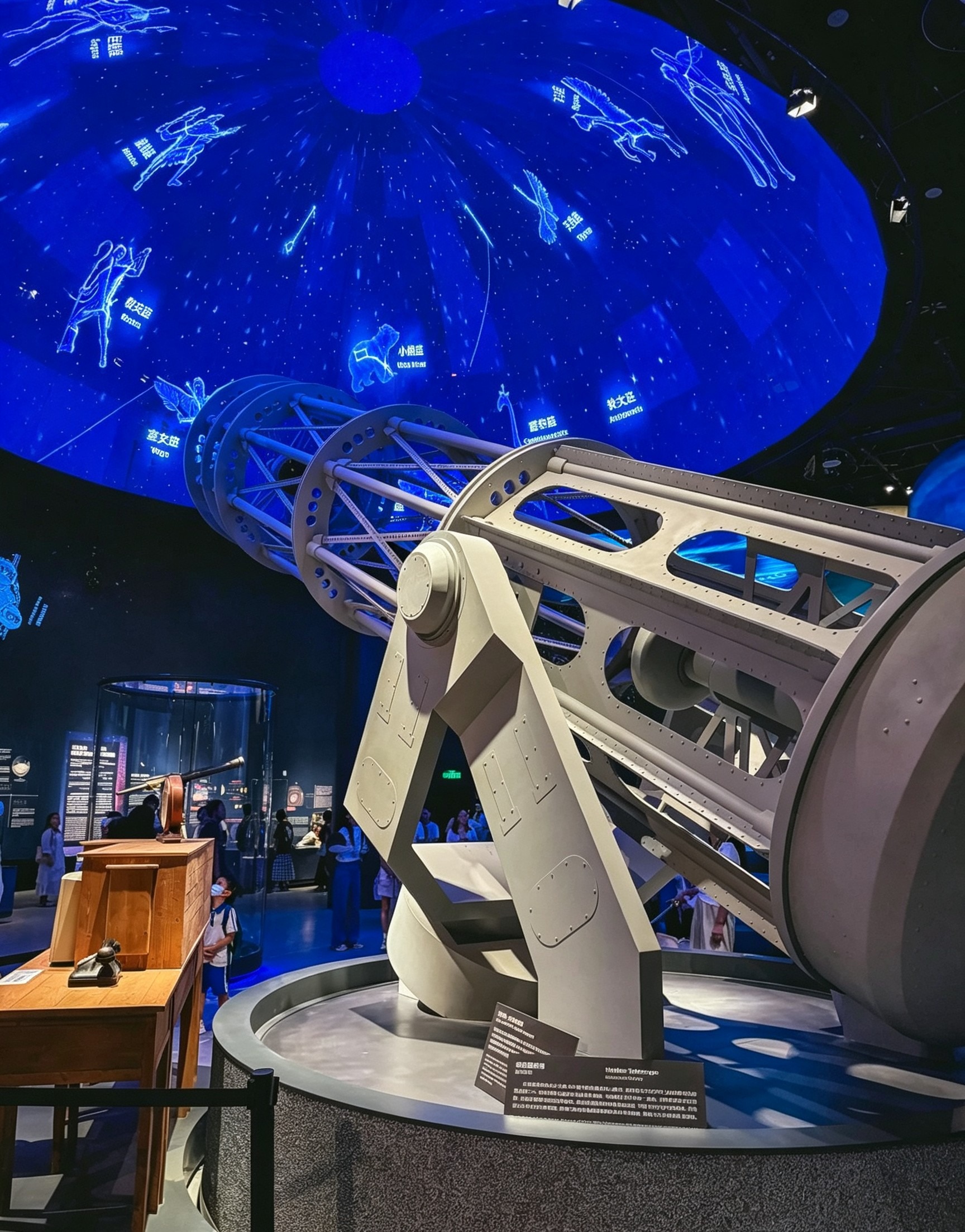
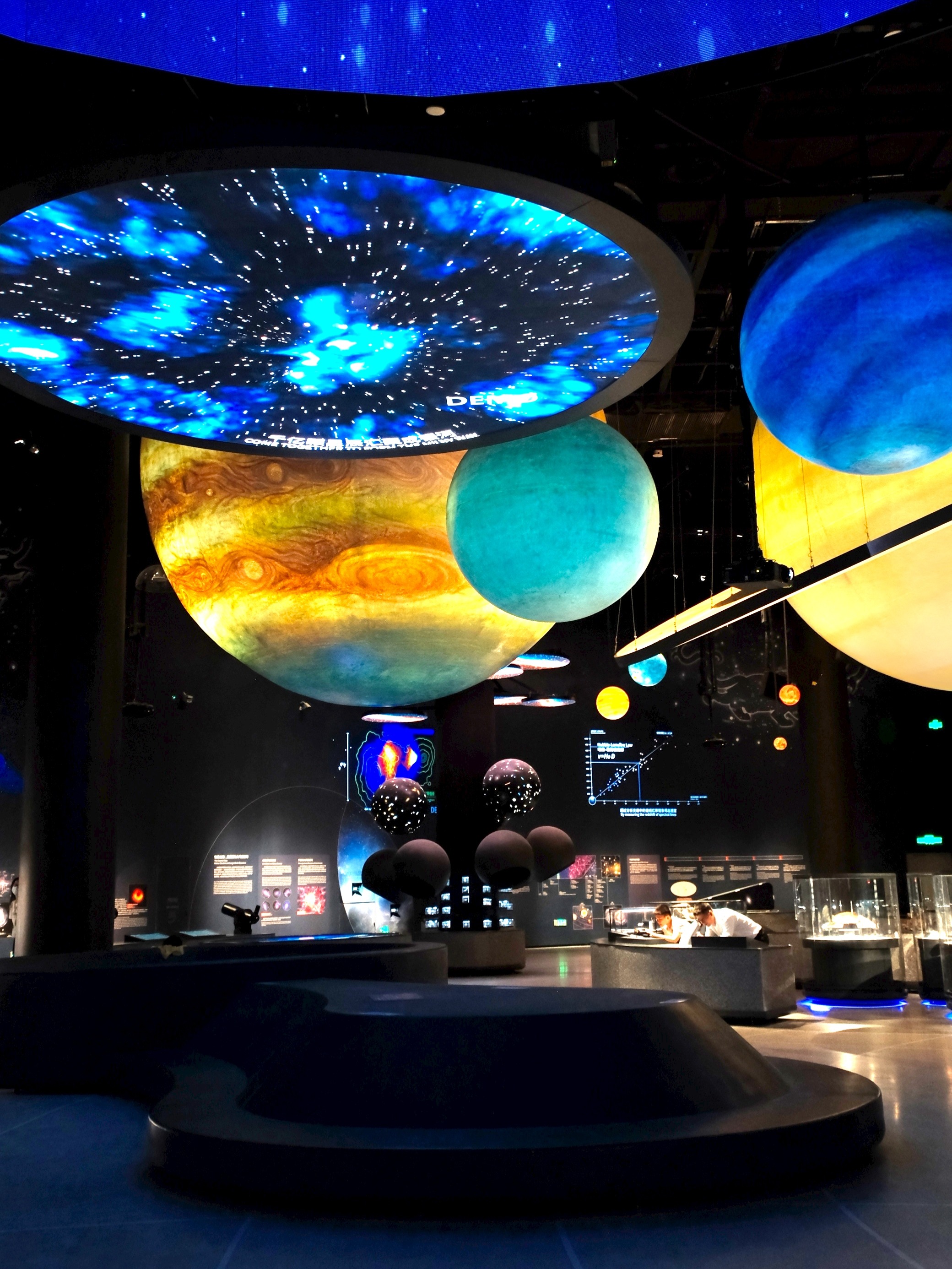
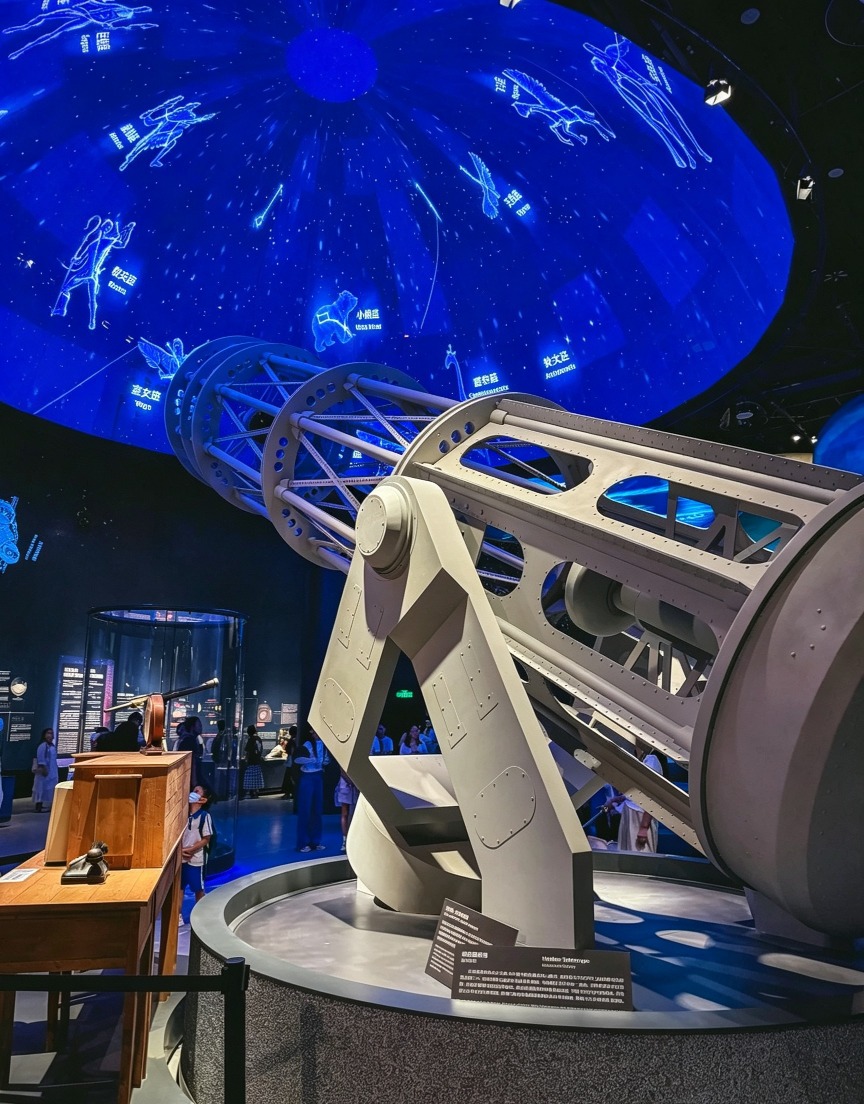
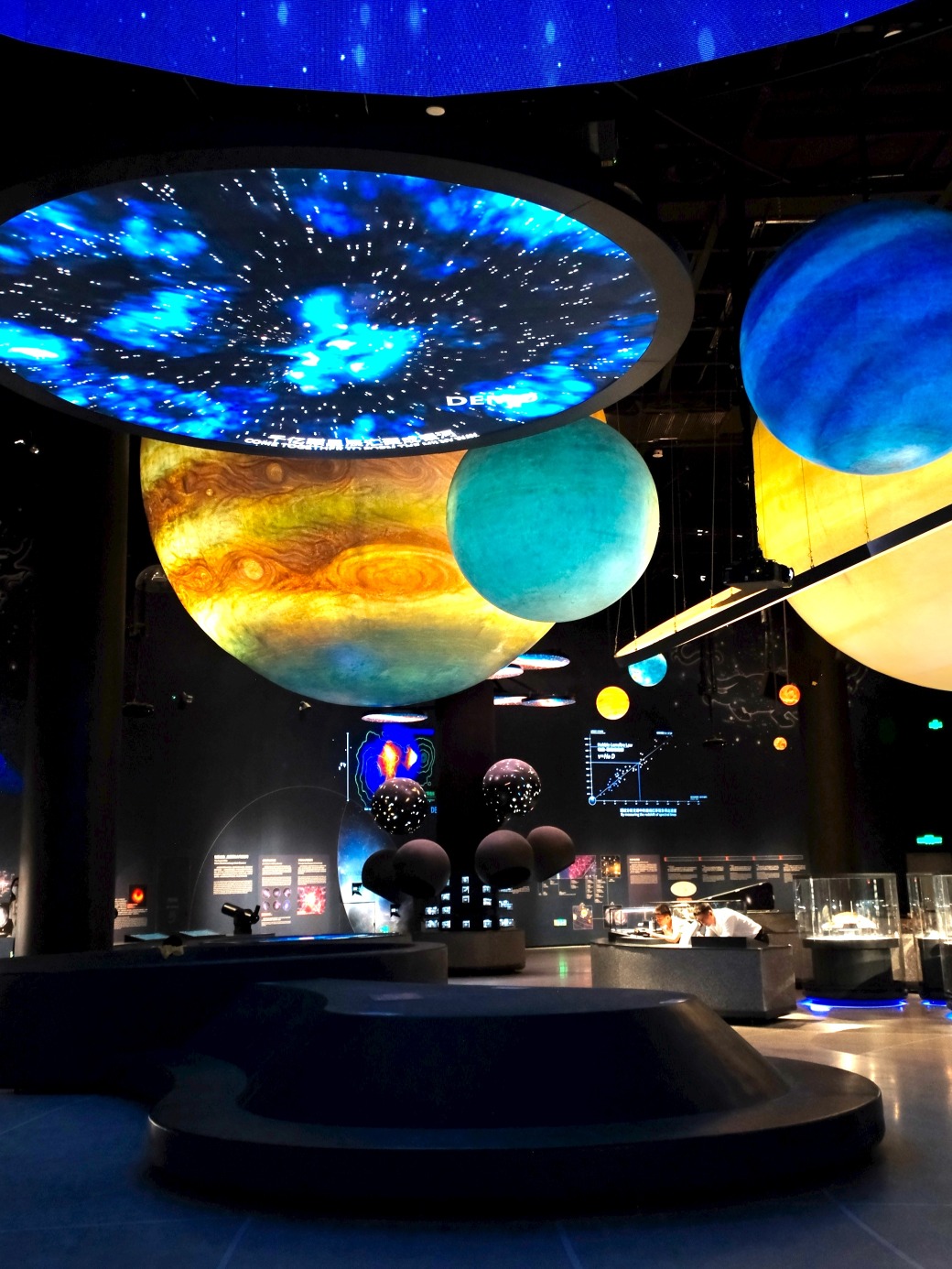
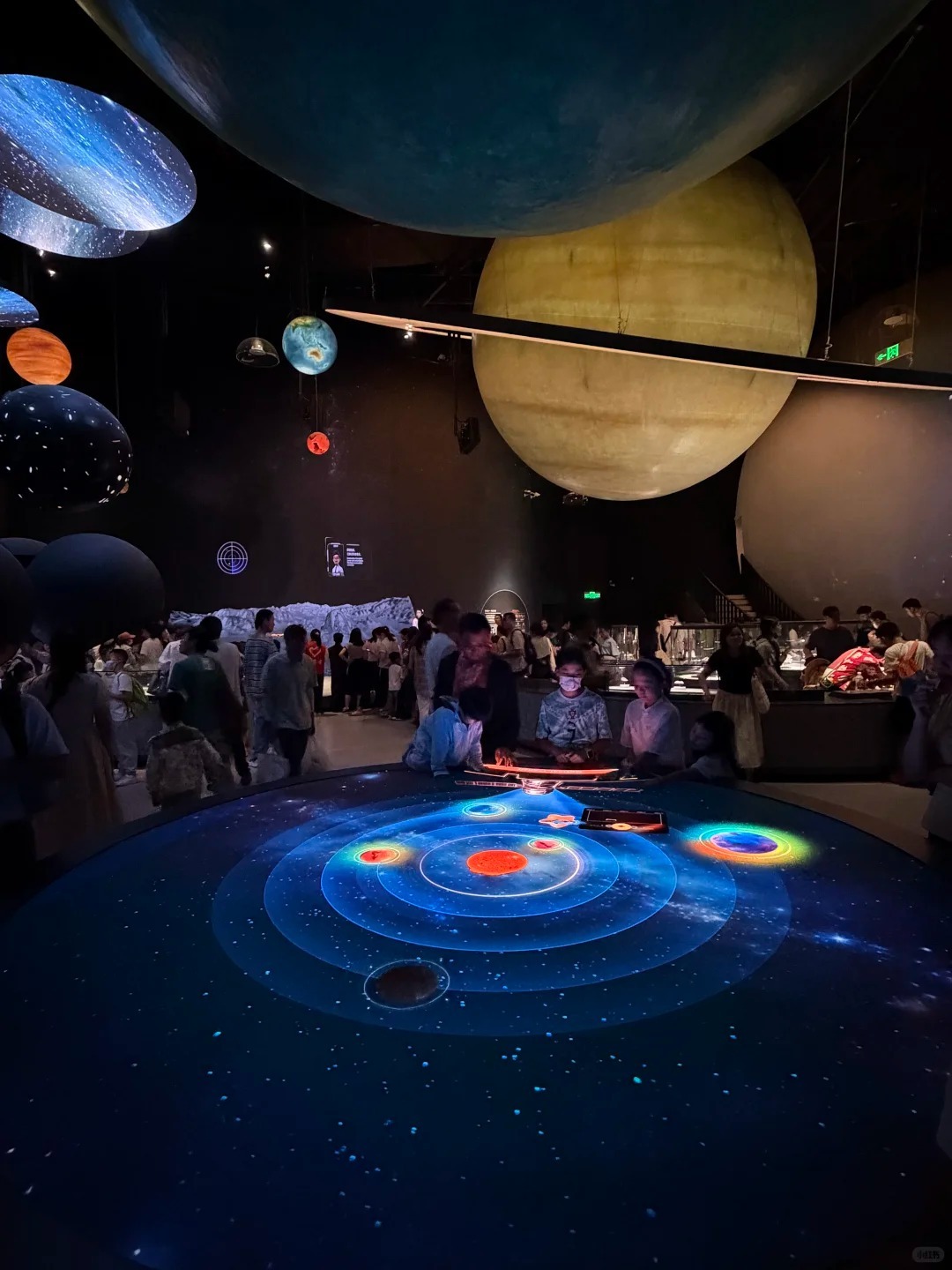
The journey starts in the Cosmos Hall. Inside, ancient star charts and classic telescopes recreate how humans have looked up at the stars through the ages. A meteorite sample from deep space is one of the highlights—it gives you a real sense of the mystery beyond our world.
From the Cosmos Hall, you move into the Earth Hall. Here, rock and mineral specimens, along with tectonic plate models, show clearly how geological forces have shaped the mountains and landscapes we see today.
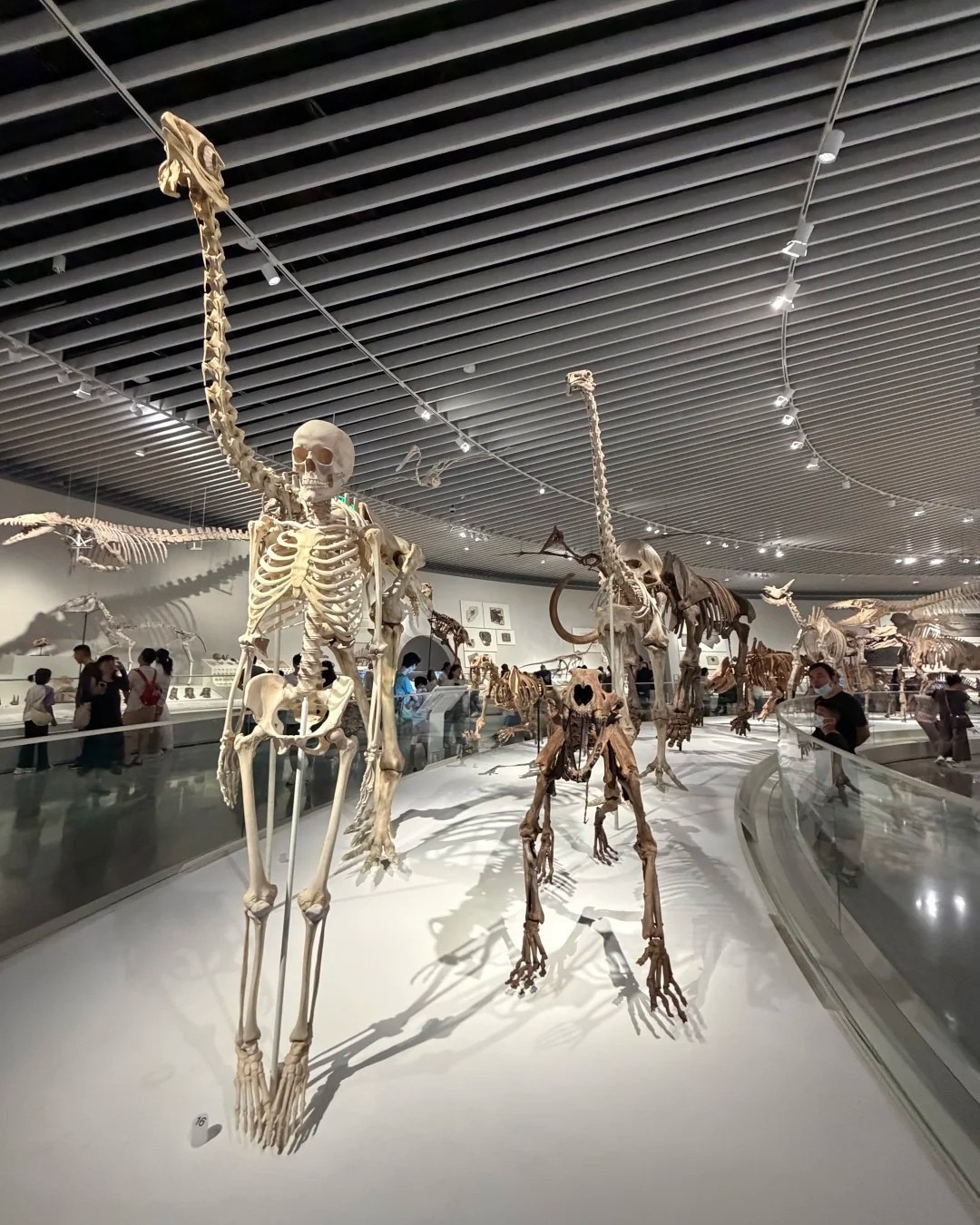
For a real visual treat, don't miss the Evolution Hall and the Dinosaur Hall. The Evolution Hall begins with the earliest single-celled organisms and brings Darwin's theory to life through interactive displays.
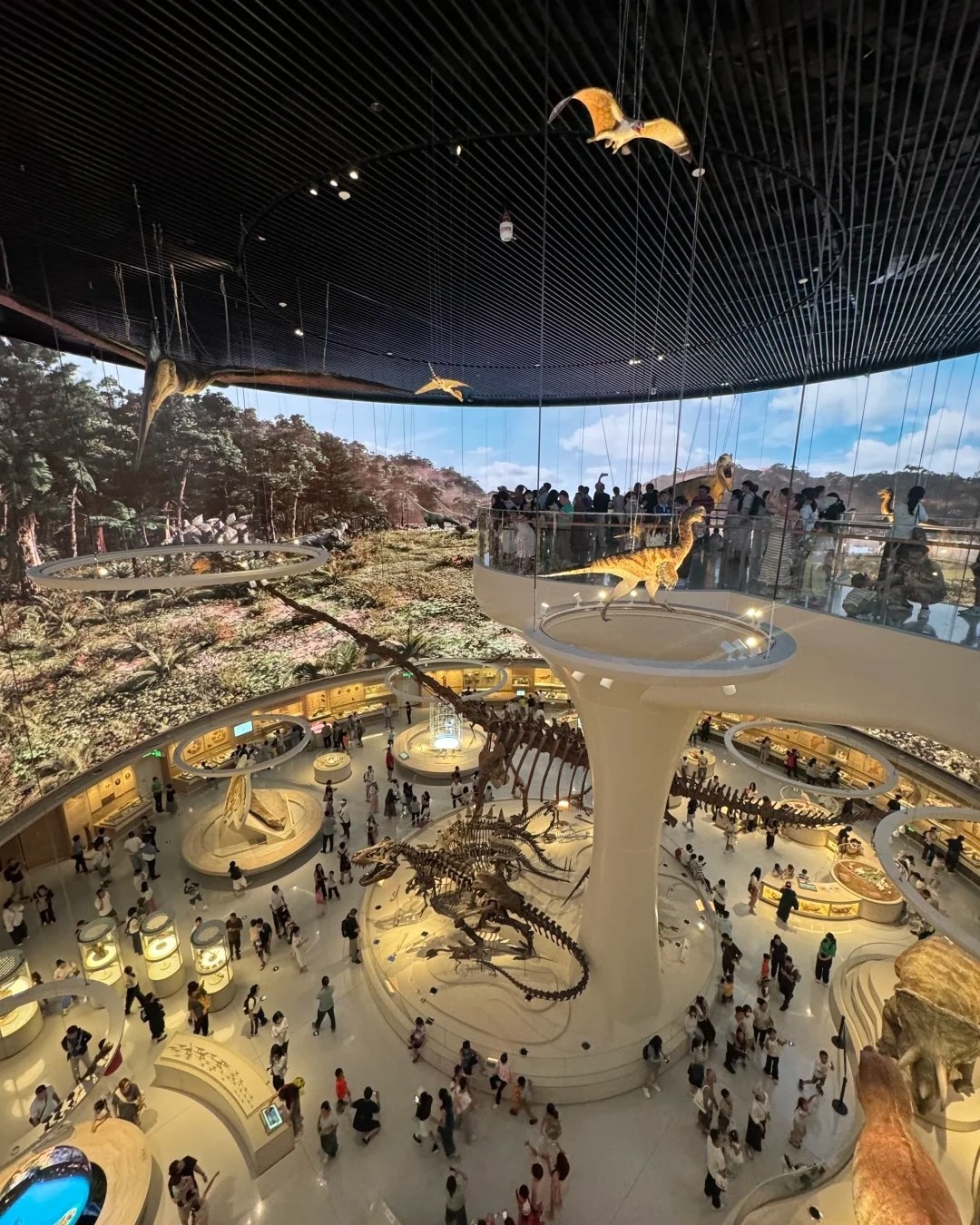
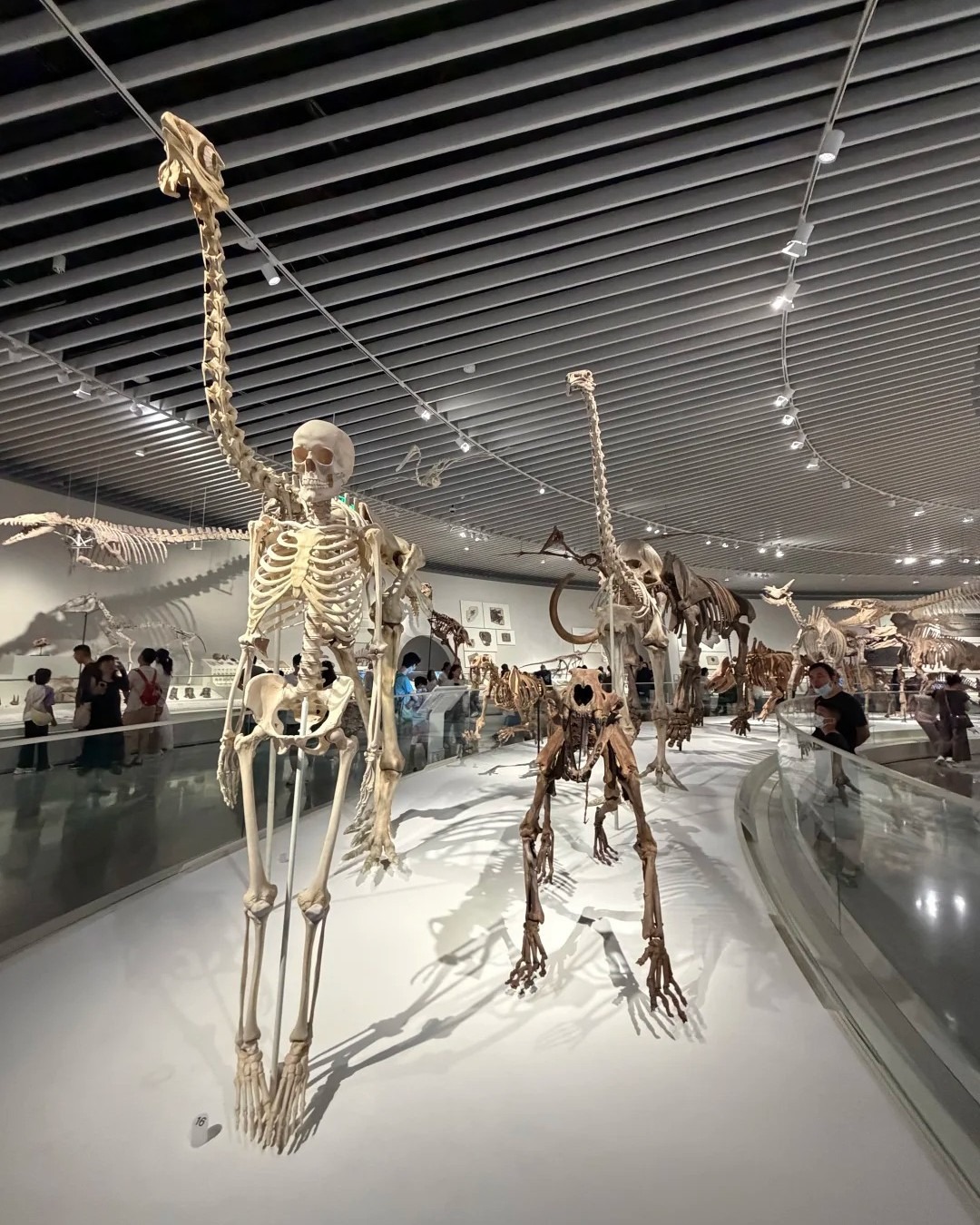
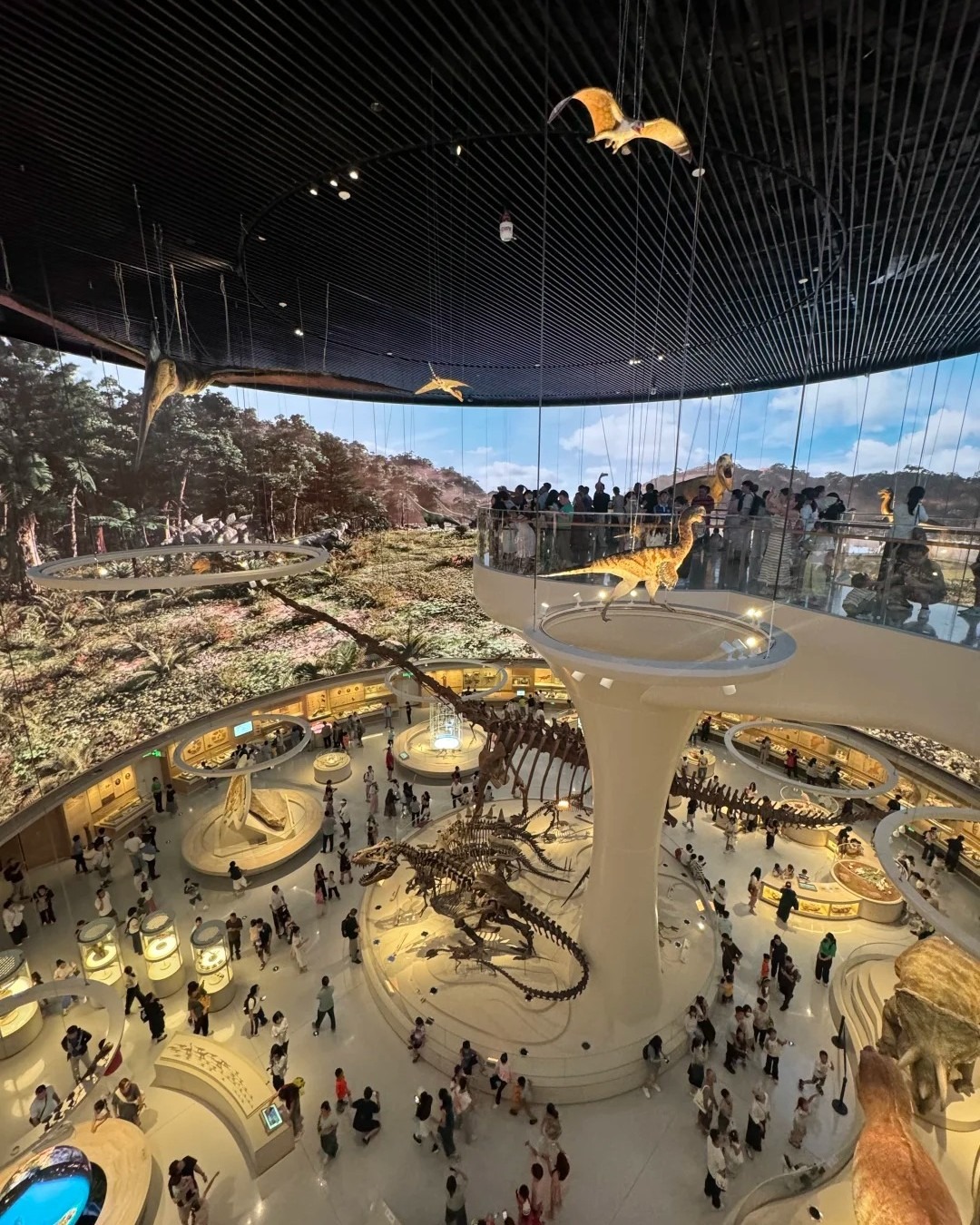
The Dinosaur Hall, meanwhile, features towering dinosaur skeletons that instantly transport you back to the age of dinosaurs.
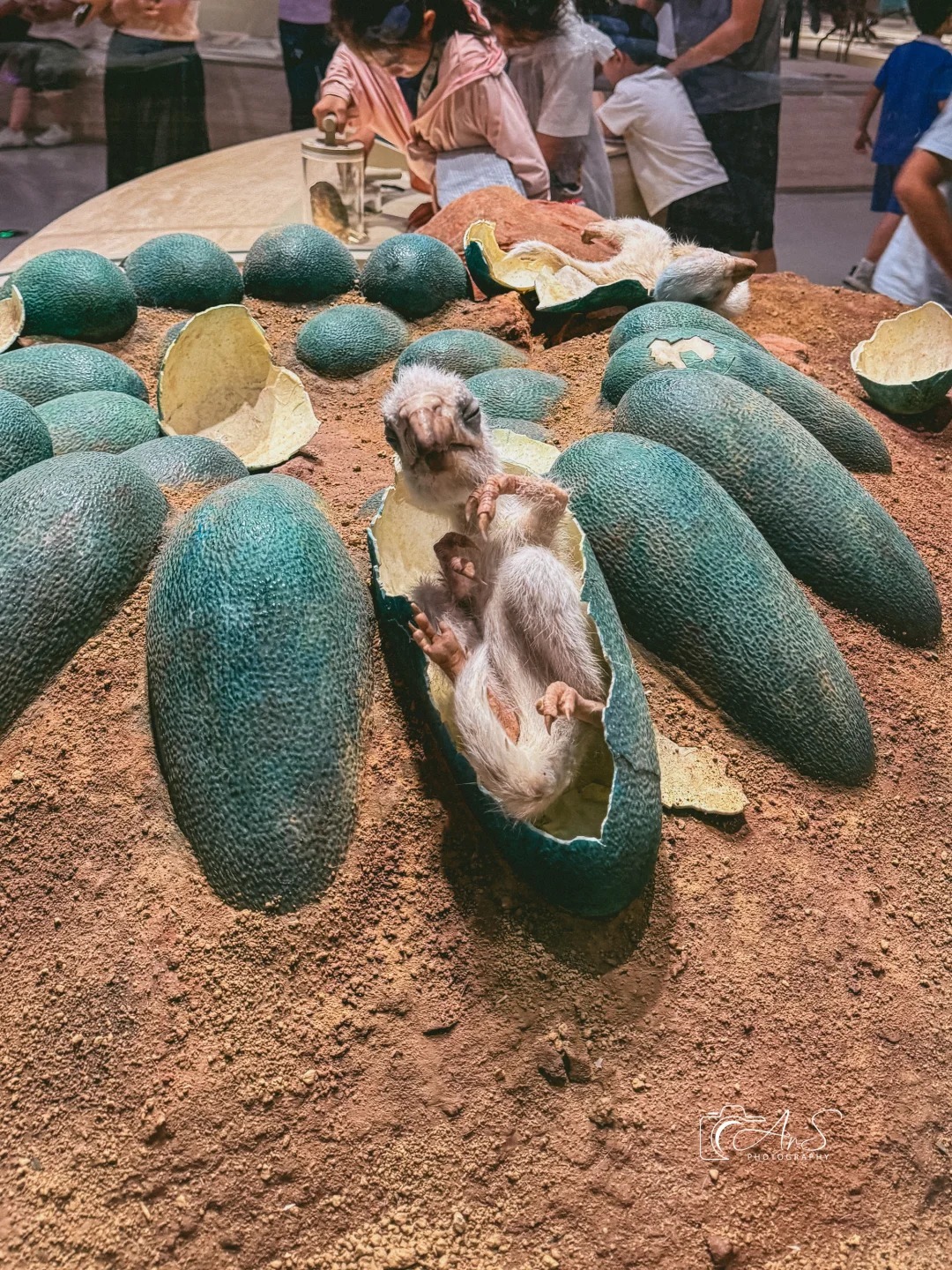
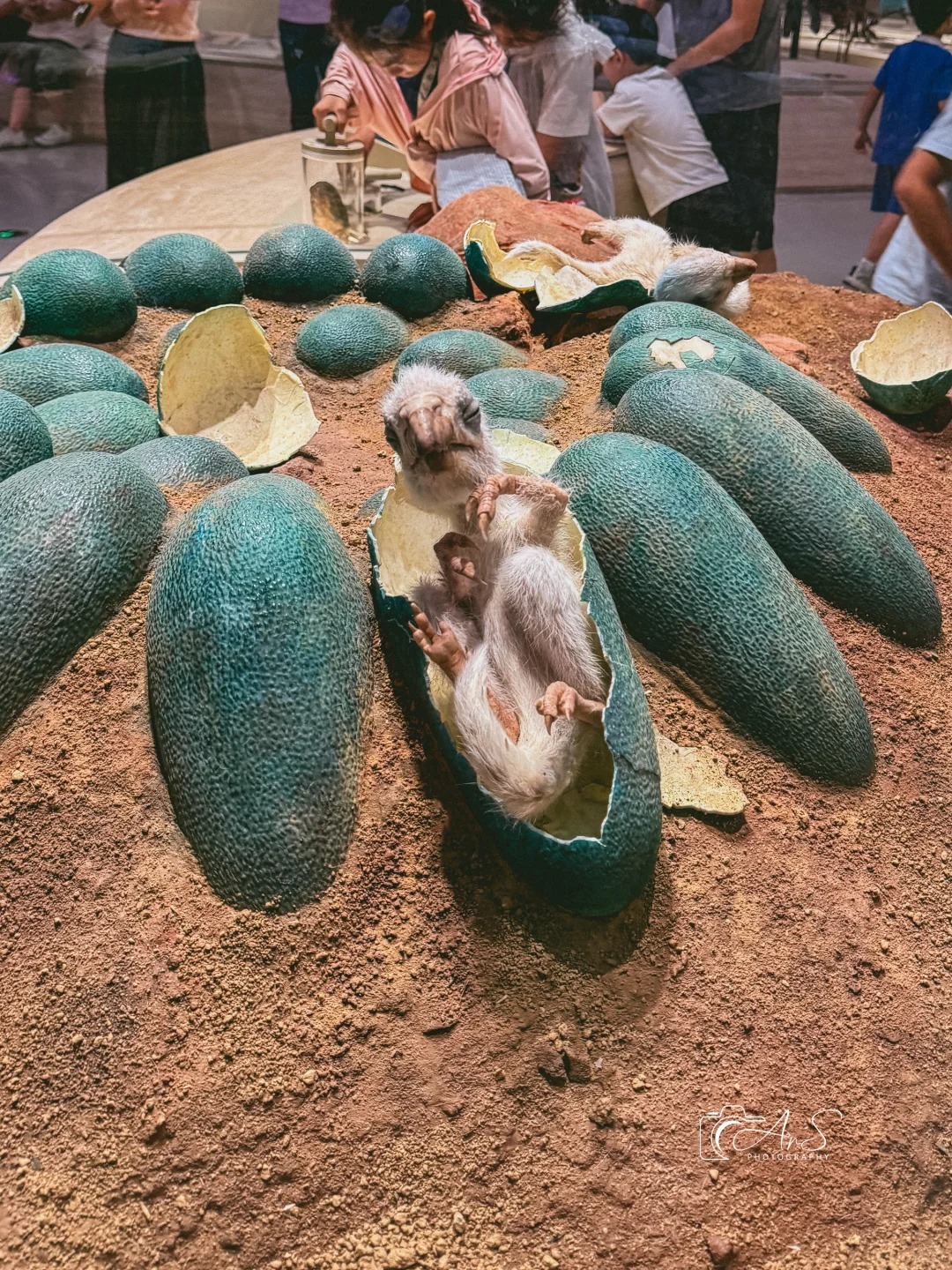
It also highlights Cretaceous-period dinosaur finds from the Guangdong-Jiangxi region and even has Shenzhen's only dinosaur egg fossil on display.
Another hall not to be missed is the Human Hall.
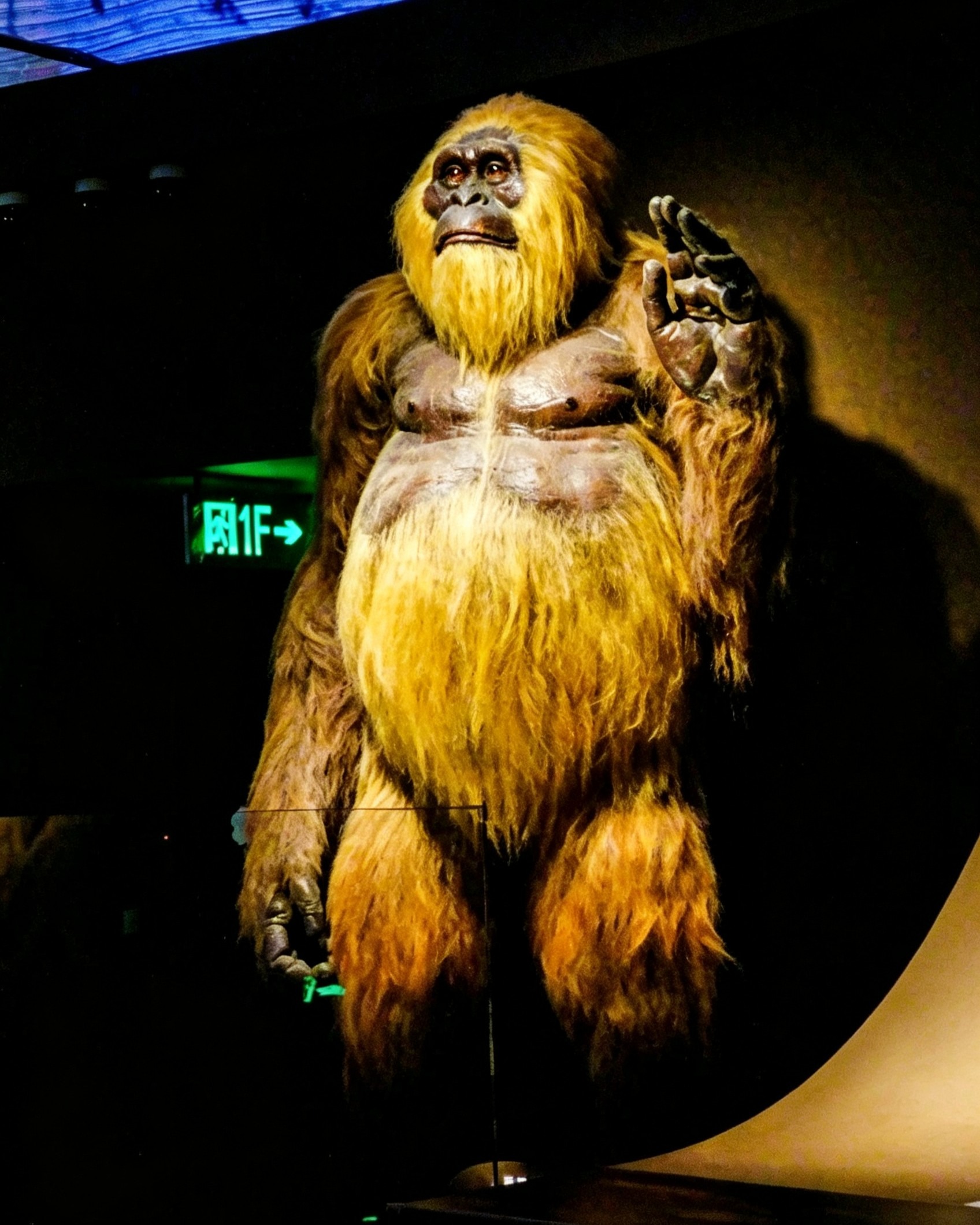
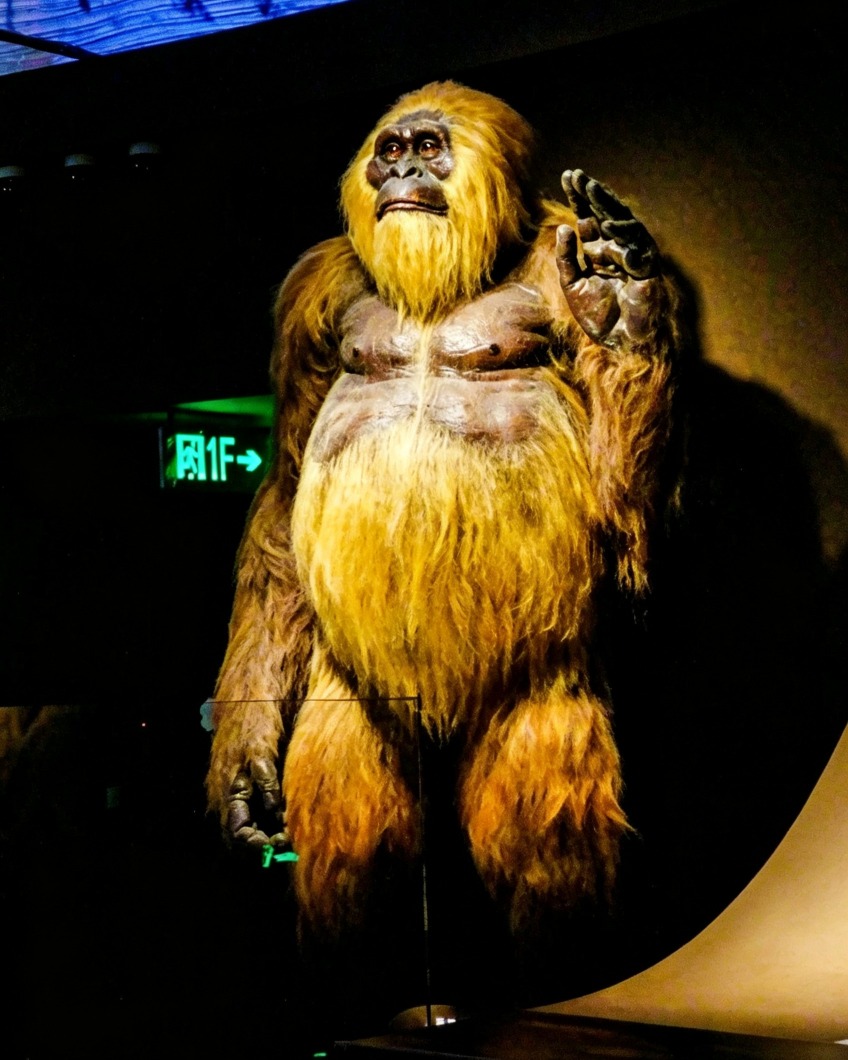
It focuses on primate evolution and ancient hominid fossils from the Guangdong and Guangxi regions, including important finds from sites like Maba Man and Sapiens Cave.
A life-sized ape-man model, nearly three metres tall, gives visitors a close-up view of what our ancient ancestors may have looked like.
The Biology Hall shows how plants and animals bring the principle of "survival of the fittest" to life through remarkable strategies—flight, camouflage, and predation among them.
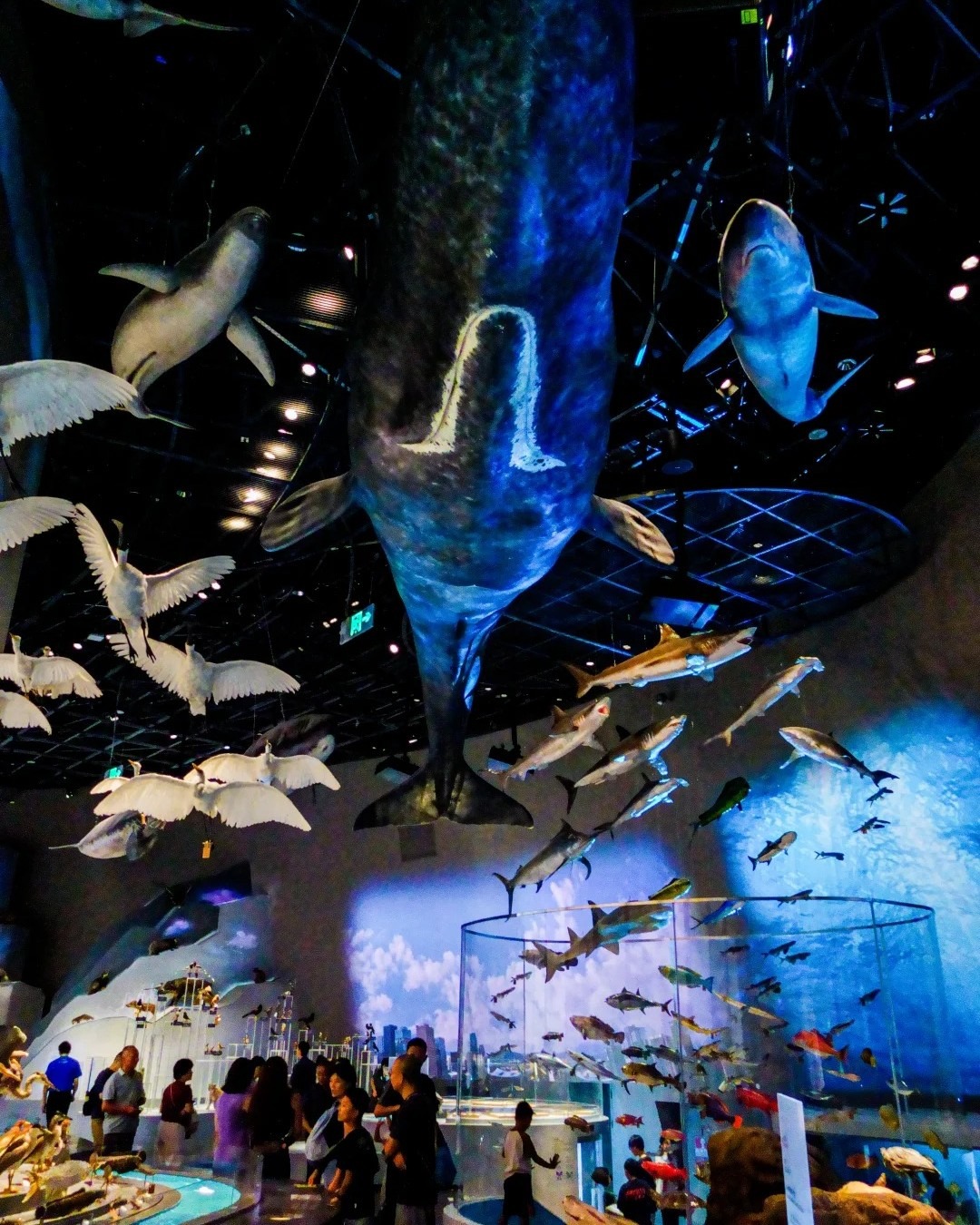
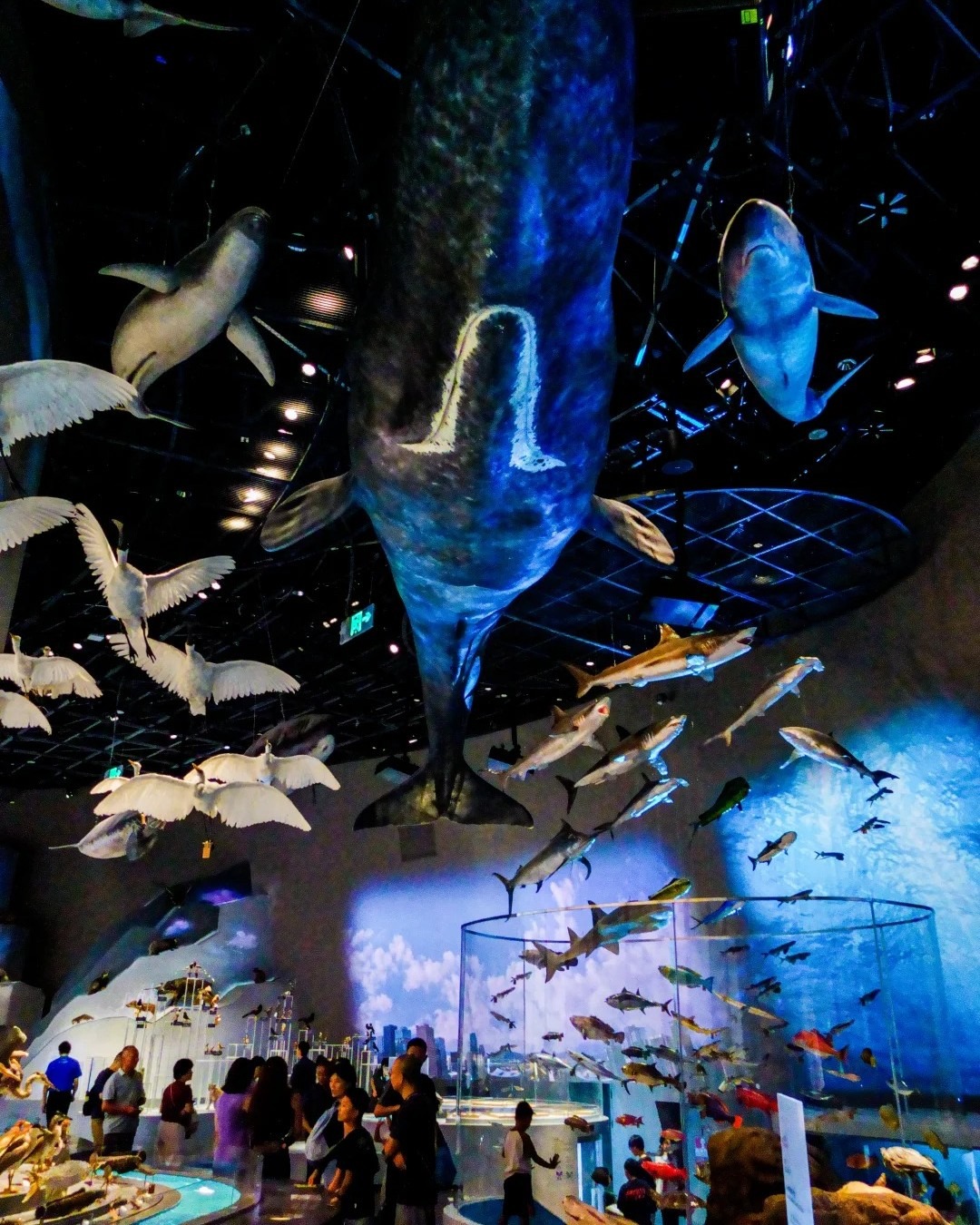
The Ecology Hall presents a range of ecosystems, from forests and grasslands to wetlands, deserts, and oceans.
It not only highlights how species depend on one another but also sounds a warning about the outside threats facing the world's natural environments.
The final stop is the Homeland Hall, which tells the story of Shenzhen's ecological evolution.
With over 1,600 local specimens—from migratory birds of Shenzhen Bay and native plants of Wutong Mountain, to insects in urban green spaces and marine life—it creates the city's most authentic natural record.
It stands as a testament to Shenzhen's success in protecting biodiversity and building a greener environment.
As you explore the Shenzhen Natural History Museum, you'll quickly notice three key features that keep visitors engaged from start to finish.
Feature one: Giant models everywhere
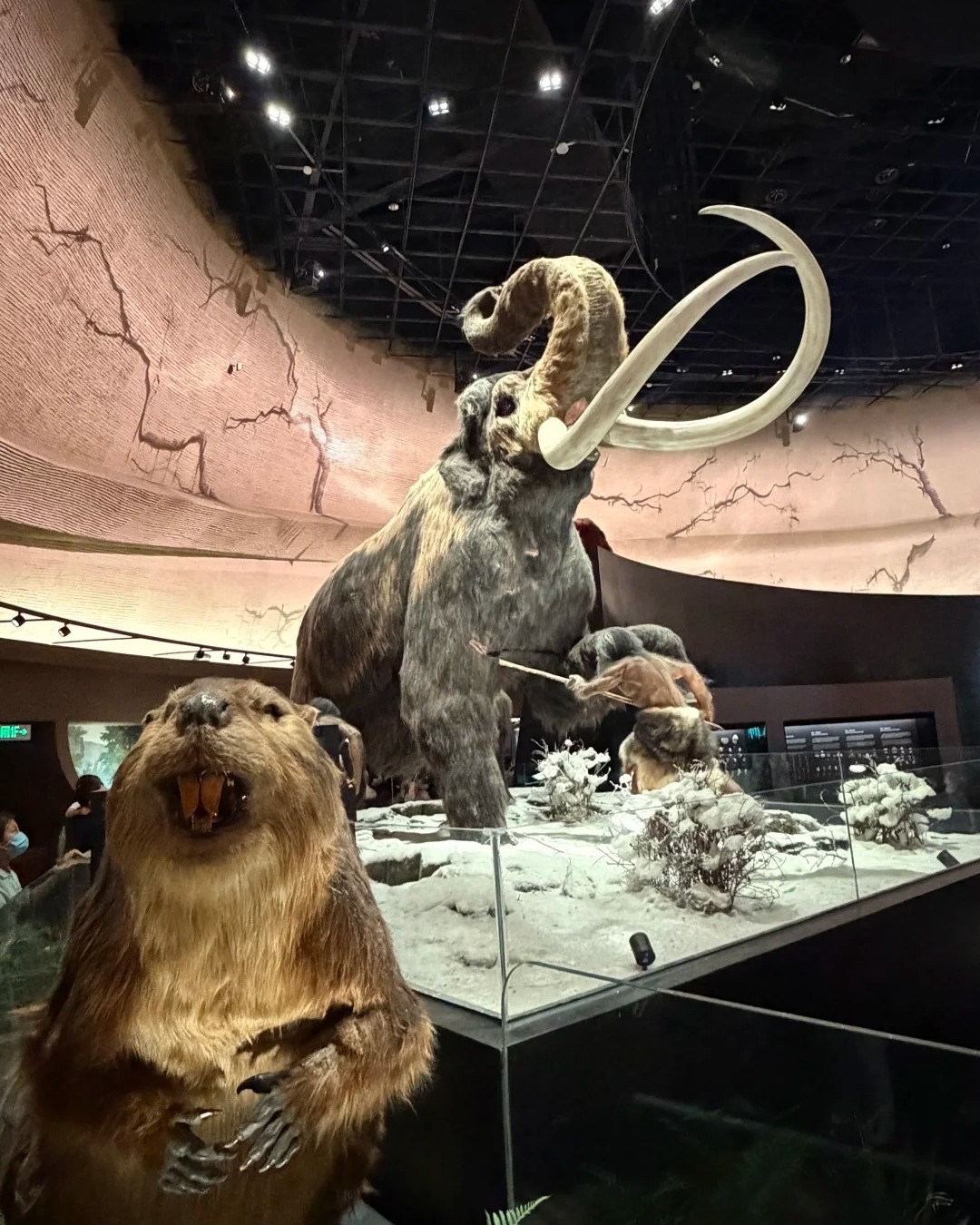
The museum's standout feature is its impressive collection of large-scale models and specimens.
The Dinosaur Hall is the biggest of them all. Inside, towering dinosaur skeletons—each one taller than a person—make you feel as if you've stepped into the world of these ancient creatures.
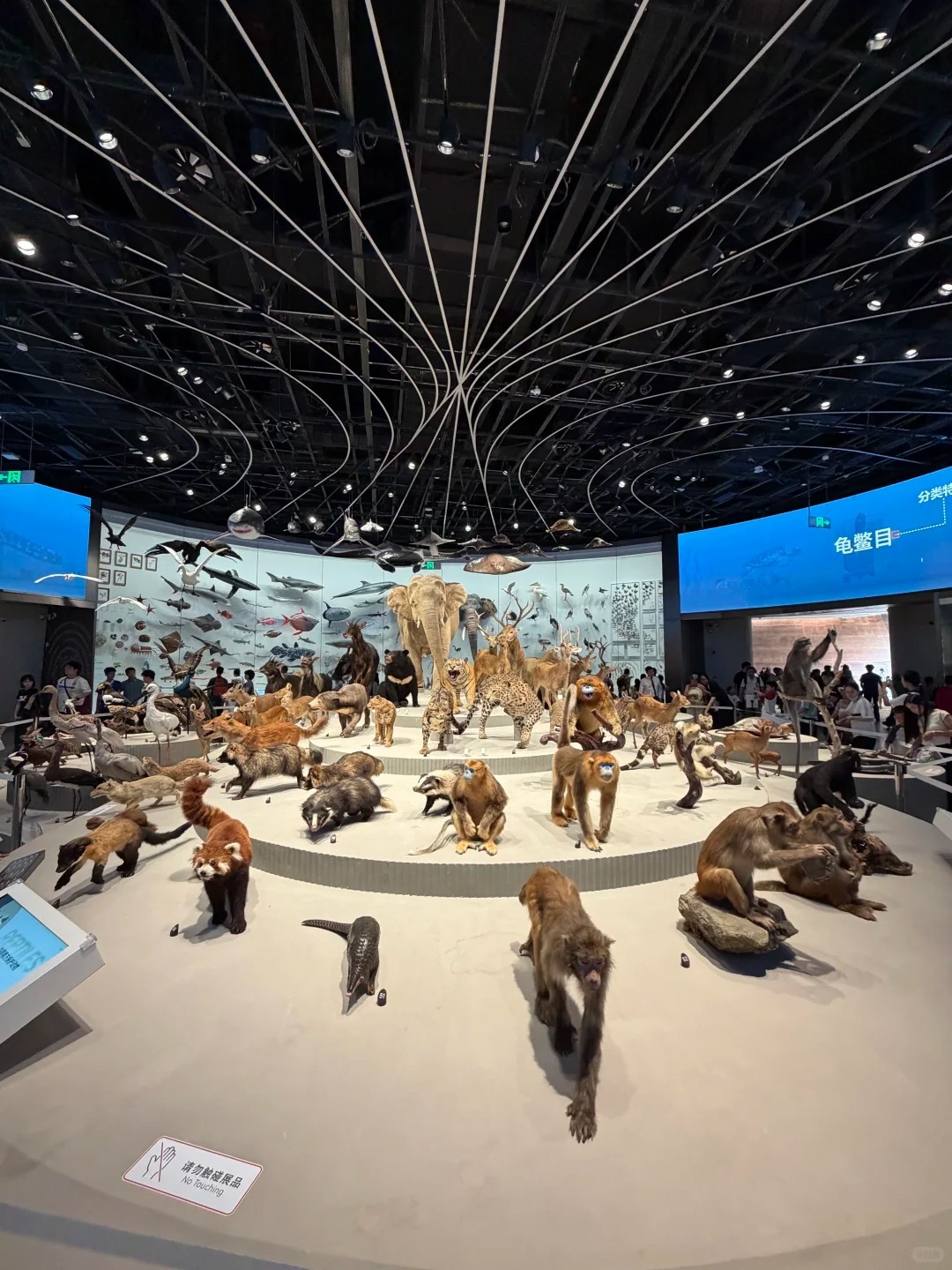
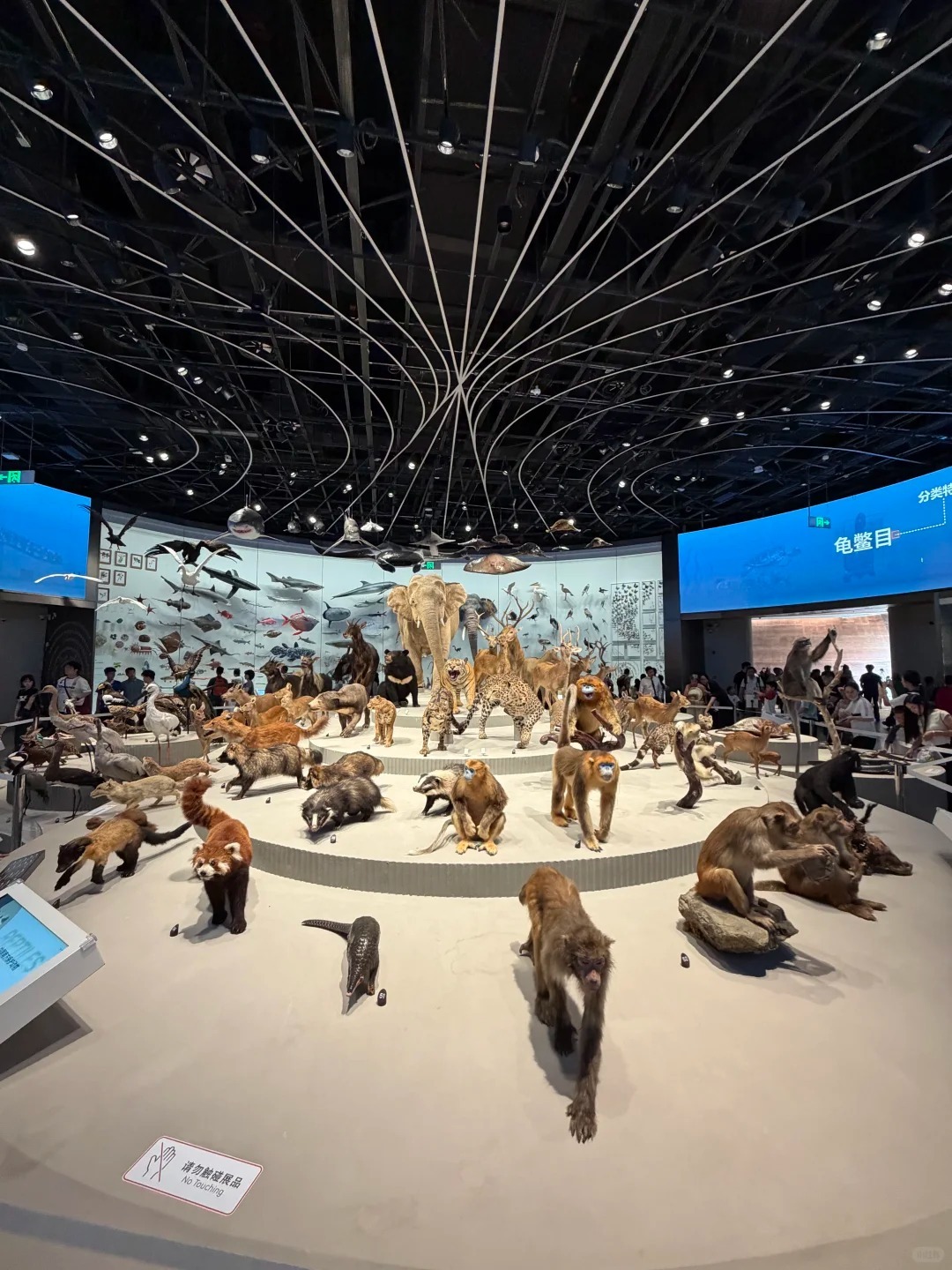
In addition, the Behring rare specimens, which once drew huge crowds at the Shenzhen Museum, have now been relocated to the Shenzhen Natural History Museum.
These include African elephants, giraffes, and polar bears. Grouped together, these massive specimens make a striking visual impression.
Feature two: Hands-on fun at every turn
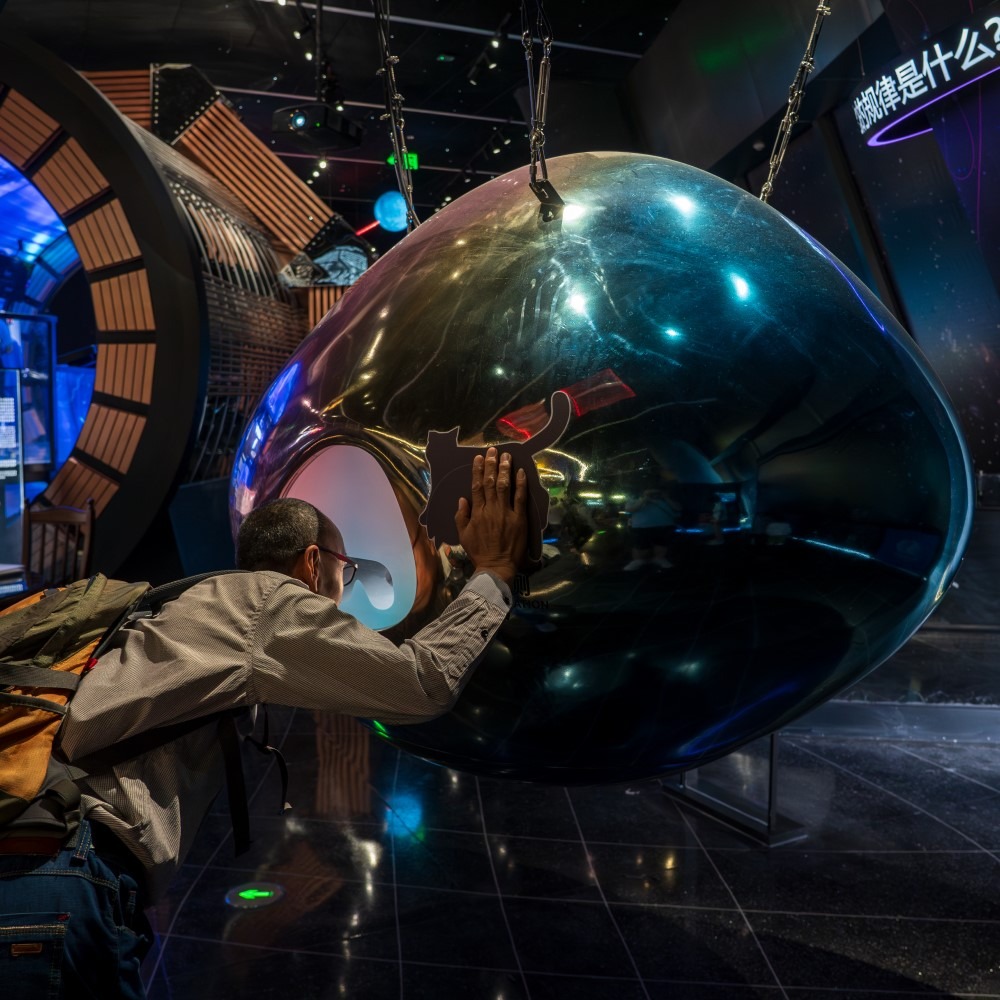
The museum encourages hands-on exploration. In the Cosmos Hall, you can touch real meteorite samples from deep space and feel the mystery of the universe right in your hands.
In the Earth Hall, tectonic plate models and rock specimens are there for close inspection—you can even feel their different textures with your fingers.
The Human Hall features an interactive fire-making installation. When visitors stand in the right spot and make hand gestures, they can "add fuel" to the fire and get a direct feel for what daily life might have been like for early humans.
Feature three: Immersive worlds of light and shadow
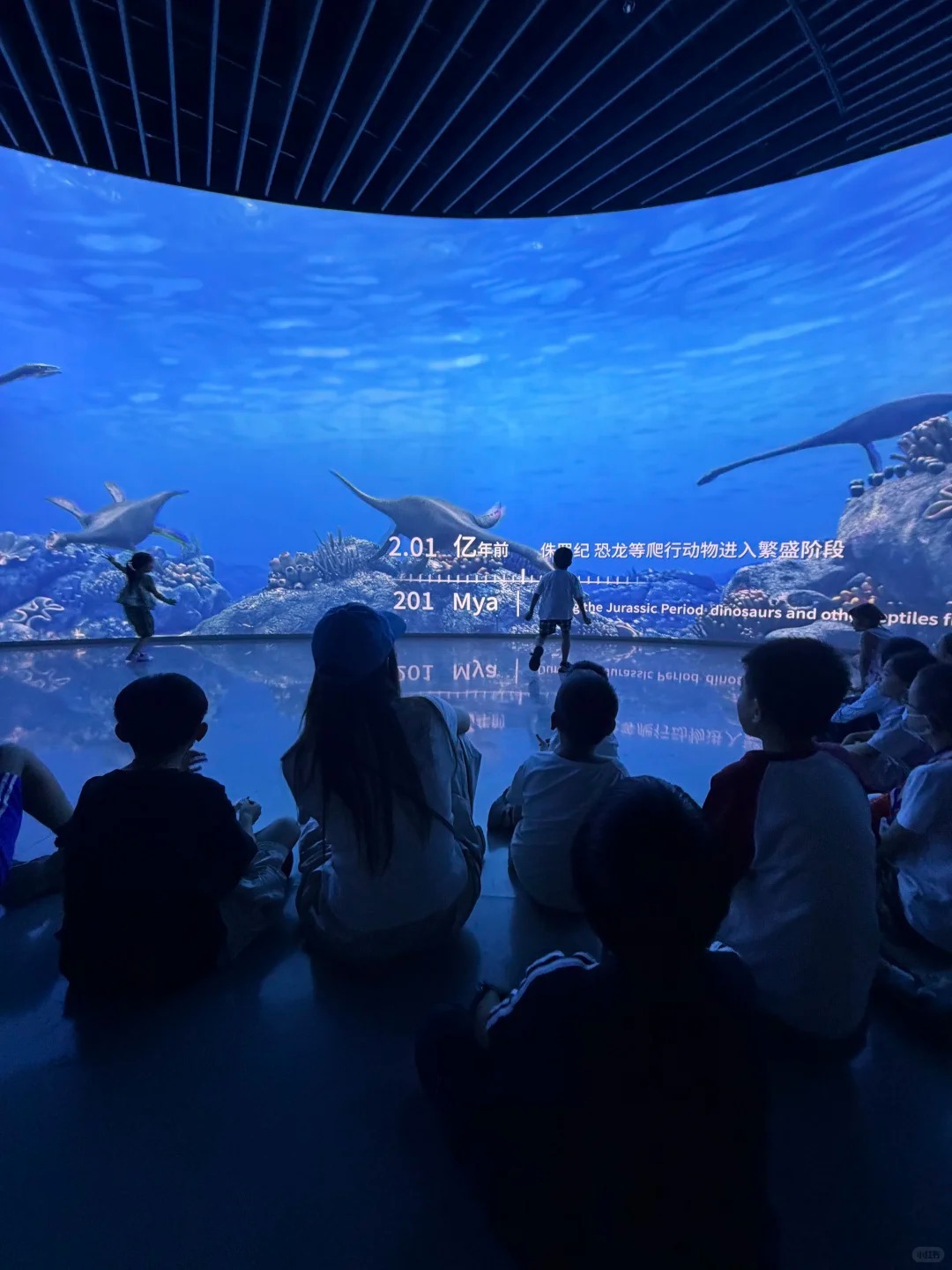
The museum makes extensive use of light, shadow, and projection to turn its eight exhibition halls into immersive "natural laboratories."
In the Ecology Hall, for instance, visitors can sit before a screen and watch how different species interact and evolve, while children are free to wander, explore, and touch.
Eight halls, 7,500 specimens, and three immersive experiences await at the Shenzhen Natural History Museum—now officially open. This weekend, come to Pingshan and take a journey through billions of years, all beside the beautiful Yanzi Lake.
Read more:
How does Shenzhen's Nanshan become China's first trillion-yuan district?
How does Shenzhen build China's densest metro network?
Unveil China's largest bookstore "Eye of the Bay Area" in Shenzhen!